
Please ensure Javascript is enabled for purposes of website accessibility

What Are Soundproof Wall Panels and How Do They Work?

Soundproof wall panels are designed to reduce unwanted noise inside rooms and limit sound passing through walls. They can make voices clearer, lower echoes, and improve acoustic comfort in offices, studios, bedrooms, and classrooms. However, the term “soundproof” is sometimes used too loosely. Many panels absorb sound rather than completely block it. That difference matters.

These panels commonly use mineral wool, fiberglass, acoustic foam, wood slats, or layered composite materials. Porous surfaces capture sound energy and reduce reflections, like a thick curtain softening a sharp clap. Dense layers can add mass, while sealed edges help limit sound leakage. In practice, performance depends on the wall structure, panel thickness, installation method, and noise frequency. Low bass is difficult. It often travels through floors, ceilings, doors, and ventilation systems.

Professional acoustic assessments usually consider reverberation time, sound transmission, and room use before recommending a product. A recording room may need broadband absorption, while a busy office may benefit from panels that control speech reflections. Placement also matters. Panels installed at first-reflection points can improve clarity without covering every surface. More panels are not always better.

Real-world results may differ from laboratory ratings. Poor gaps, weak mounting, or an untreated door can undermine an expensive installation. This guide explains how soundproof wall panels work, what they can realistically achieve, and where their limits become obvious. Some claims deserve skepticism. A quieter room is possible, but perfection is not.
What Are Soundproof Wall Panels and How Do They Work?

What Are Soundproof Wall Panels?

Soundproof wall panels are wall-mounted materials designed to control unwanted sound. Despite the name, many panels absorb sound rather than fully block it. They commonly contain porous fibers, foam, or dense composite layers. A fabric surface lets sound enter the panel, where friction converts some acoustic energy into heat. This reduces echoes and makes speech easier to understand.

That distinction matters.

In a home office, a panel may soften the sharp reflection from a bare wall. You may hear less ringing after a clap. However, voices can still pass through doors, ceilings, windows, and thin partitions. True sound isolation usually requires added mass, airtight seals, and structural separation. Some systems combine an absorptive face with a heavy backing or an air gap. The design depends on frequency, wall construction, and existing room surfaces.

Good installation begins with identifying the problem. Measure where sound enters and where reflections remain strongest. Place panels near first-reflection points, often beside speakers or opposite a desk. Leave no large gaps when the goal is absorption. For isolation, seal cable openings and perimeter joints with suitable acoustic materials. Panel thickness also matters; thicker absorbers usually work better at lower frequencies. Results vary. A small room may become quieter but still sound uneven. I would avoid calling any panel completely soundproof without tested ratings and proper installation.

How Soundproof Wall Panels Reduce Noise

Soundproof wall panels are built to reduce unwanted noise inside a room. Their performance depends on how they absorb, block, or redirect sound. Many panels contain porous fibers that trap air movement caused by sound waves. This process weakens reflected energy before it reaches another surface. The room feels quieter.

That assumption is too simple. Most decorative panels improve acoustic absorption, but they do not fully prevent noise from passing through walls. They are especially useful for reducing speech echoes, television reflections, and sharp sounds in offices or bedrooms. Low-frequency noise, such as traffic vibration, usually needs heavier barriers and better wall construction. Sealed gaps matter too. A small opening around an outlet can undermine expensive improvements.

Placement affects results. Install panels near strong reflection points, such as the wall behind a desk or opposite a speaker. Leave small air gaps behind some panels when the design allows it; this can improve absorption at certain frequencies. In practical room checks, a hand clap often reveals shorter echoes after treatment. Professional testing uses sound-level measurements instead. A quieter room may still transmit noise through the ceiling, floor, or door. That is where expectations need revision. Panels help, but they are not a complete soundproofing system.

Key Materials and Structural Features

What Are Soundproof Wall Panels and How Do They Work?

Key Materials and Structural Features

Soundproof wall panels are layered systems designed to reduce sound transmission through walls. They do more than soften echoes inside a room. Effective designs combine mass, absorption, and separation. Dense gypsum board or fiber cement adds weight, making the wall harder to vibrate. Mineral wool placed inside the cavity absorbs sound energy. It works especially well around voices and mid-range frequencies.

The structure matters as much as the material. A resilient channel can separate the finish surface from wall studs. This break reduces direct vibration paths. Double-stud walls create a larger air gap and often perform better. However, every opening can weaken the system. Electrical boxes, doors, and poorly sealed joints may allow sound to pass through easily. Acoustic sealant around edges is therefore essential. Small gaps matter.

Some panels use perforated wood, fabric, or micro-perforated surfaces. These layers manage reflections while the backing absorbs energy. In my experience, installers sometimes focus too heavily on panel thickness. That is an imperfect assumption. A thinner, well-sealed assembly can outperform a thicker panel with weak joints. Laboratory ratings provide useful guidance, but field results may differ. Flanking paths through ceilings, floors, and shared ducts can bypass the treated wall. Careful inspection remains necessary before selecting materials.

Types of Soundproof Wall Panels

What Are Soundproof Wall Panels and How Do They Work?

Soundproof wall panels are not one universal product. Their performance depends on whether they absorb, block, or separate sound. Porous acoustic panels use mineral wool, fiberglass, or dense foam to reduce reflections. They work well in offices, studios, and classrooms, where speech becomes clearer. However, they rarely stop loud music from passing through a shared wall.

Mass-loaded panels take a different approach. Their heavier cores resist vibration and airborne noise. Composite panels combine a dense layer with an absorptive surface, offering broader control. Decoupled systems add an air gap or resilient channel between wall layers. This design interrupts vibration paths, but installation errors can reduce its benefit sharply. Small gaps matter.

The ASTM C423 standard measures sound absorption, while ISO 10140 evaluates airborne sound insulation. These tests measure different outcomes, so one impressive rating cannot describe every panel. The World Health Organization’s 2018 Environmental Noise Guidelines recommend less than 40 dB of nighttime road-traffic noise outside bedrooms. That target shows why real rooms need more than decorative treatment. Panel selection should consider frequency range, wall construction, mounting method, and background noise. The honest limitation is simple: a thin panel may improve comfort without creating true sound isolation. Always check laboratory data, then inspect the weakest path, such as a door, ceiling, or electrical outlet.

What Are Soundproof Wall Panels and How Do They Work?

Typical sound absorption performance by panel type

The chart compares representative Noise Reduction Coefficient (NRC) values for common acoustic wall panel materials. Higher NRC values indicate greater absorption of reflected sound inside a room. Fabric-wrapped fiberglass or mineral-wool panels generally provide the strongest absorption, while wood, PET felt, and acoustic foam offer different balances of performance, appearance, and installation flexibility. NRC measures sound absorption; reducing sound transmission through a wall also requires mass, airtight construction, and suitable insulation.

Choosing and Installing the Right Panels

Choosing soundproof wall panels begins with identifying the noise problem. Acoustic panels reduce echoes inside a room, while soundproofing systems limit sound passing through walls. These goals are different. A panel cannot stop every vibration.

Measure the wall, ceiling height, and furniture positions before buying materials. Denser panels usually help with airborne noise, while thicker layers can improve low-frequency control. Check the product’s fire rating, absorption data, and installation requirements. Do not cover ventilation openings, electrical outlets, or access panels. A small gap around the edges can weaken the result.

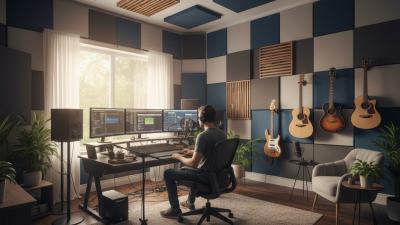
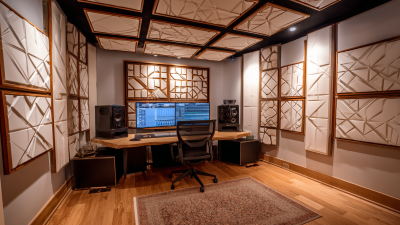
I once placed panels evenly across a recording room, but the sound still felt harsh. The layout looked tidy and performed poorly. Panels work better when they interrupt strong reflection points, such as the wall behind speakers and the ceiling above a desk. Leave some wall area untreated to avoid a dull room. Use mechanical fasteners when panels are heavy or mounted over uneven surfaces. Adhesive may be convenient, but removal can damage painted walls. Install a few panels first and test the room with speech or recorded music. Your first arrangement may need adjustment. That is normal. Door seals, floor coverings, and wall gaps can matter more than one attractive panel.