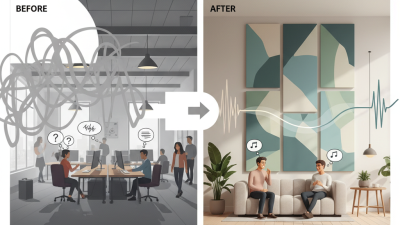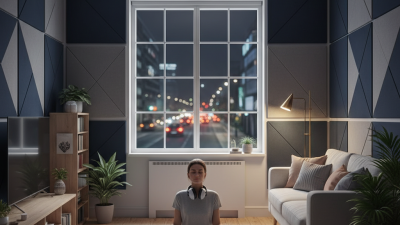

Quiet rooms are not created by panels alone. They depend on absorption, mass, airtight construction, and careful installation. Acoustic Panels can reduce reflected sound, shorten reverberation, and make speech easier to understand. They cannot fully block traffic, bass, or noise passing through walls.
The World Health Organization’s Environmental Noise Guidelines for the European Region recommends keeping bedroom night noise below 40 dB Lnight, where practical. That benchmark shows why room treatment matters, but it also exposes a common misunderstanding. A fabric-wrapped panel may calm a bright, echoing office. It will not replace a sealed wall assembly or acoustic door. Small details matter. Gaps around outlets can weaken an otherwise strong design.
This guide reviews 10 Best Acoustic Panels for Soundproofing? The wording needs caution. “Soundproofing” is often used loosely in product marketing. Professional testing follows methods such as ASTM C423, which measures sound absorption, and ISO 354, which evaluates absorption in a reverberation room. Their results can include Noise Reduction Coefficient or equivalent absorption ratings. These numbers help, but laboratory performance may differ in a furnished room.
Our evaluation considers absorption ratings, thickness, mounting systems, fire documentation, material quality, and installation practicality. We also examine where each panel works best, from a podcast corner to a busy conference room. Some choices look impressive. Some are less convincing. That distinction matters.
No panel solves every noise problem. Room shape, ceiling height, low-frequency energy, and wall construction change the outcome. Treat this list as a practical starting point, not a promise of silence. Testing the room before and after installation remains the most reliable step.
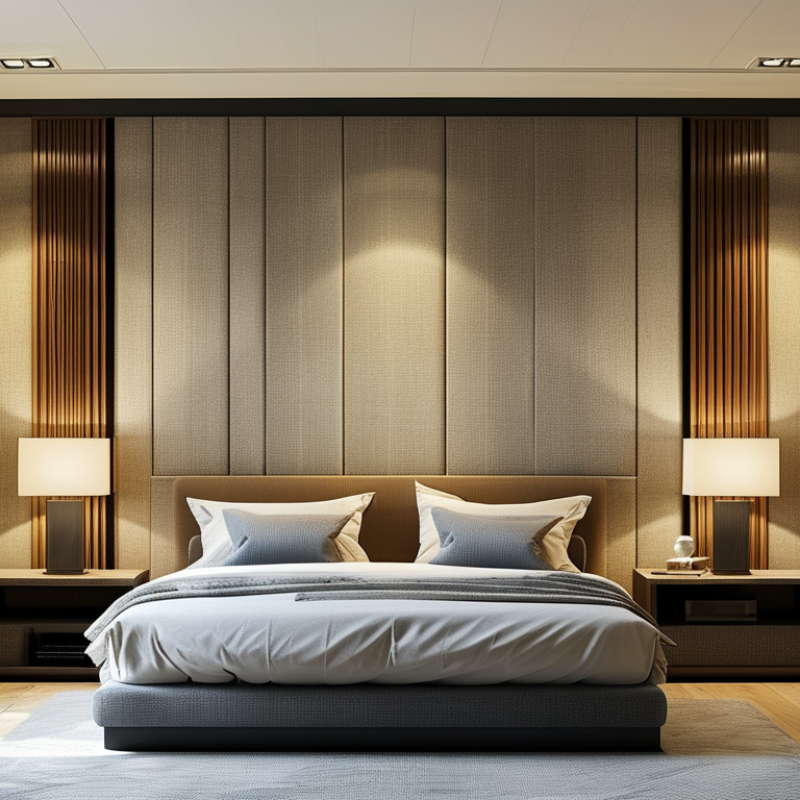
Acoustic panels are often marketed as soundproofing solutions, but the difference matters. Panels absorb sound inside a room; they rarely stop sound from entering or leaving. Their porous cores convert part of the sound wave into small amounts of heat, reducing reflections, echo, and speech harshness. The result is a calmer room, not a sealed room.
The Noise Reduction Coefficient, measured under ASTM C423, summarizes absorption across selected frequencies. A higher NRC can indicate better absorption, but it does not measure wall isolation.
Transmission loss requires heavier construction, sealed gaps, decoupled surfaces, and testing under standards such as ASTM E90.
In practical terms, a 25-millimeter panel may soften hand claps, while bass from a subwoofer can still pass through a lightweight partition. I have seen this mistake in home studios.
Room performance also depends on placement. Panels near first-reflection points can improve speech clarity, while ceiling clouds may reduce overhead reverberation.
The World Health Organization’s 2018 Environmental Noise Guidelines recommend keeping average road traffic exposure below 53 dB Lden, showing why external noise control needs more than interior absorption. Panels alone cannot meet that target.
Measure before buying.
A reverberation-time test, even with basic recording equipment, can reveal whether the room is actually improving. Manufacturer data should identify test methods, frequency ranges, and mounting conditions. Ratings can mislead when the installation differs. That deserves scrutiny.
Choosing among the 10 best acoustic panels for soundproofing starts with a technical distinction. Acoustic panels control reflections, while true soundproofing requires mass, sealing, and structural changes. That difference matters in bedrooms, studios, and home offices. A panel can make speech clearer without stopping footsteps or traffic noise.
Check the Noise Reduction Coefficient, but do not treat it as the whole answer. Thickness, density, and air gaps affect performance across different frequencies. Thin panels often absorb mid and high frequencies, while thicker panels handle lower tones more effectively.
Measure the room before buying. Wall coverage, ceiling height, furniture, and listening position all influence results. Small bass traps may help more than adding decorative panels everywhere.
Fire performance and mounting safety deserve equal attention. Look for clear material specifications, test documentation, and secure installation hardware. Avoid panels that shed fibers, smell strongly, or hide their construction details. Fabric should resist sagging and remain easy to clean. In practical room assessments, uneven placement often creates a dull area near the walls while leaving harsh reflections elsewhere. That mistake is common. I would place panels at first-reflection points, then test with hand claps, recorded speech, and familiar music. Personal judgment can mislead, so compare before-and-after recordings from the same position. Even careful choices may need adjustment. Rooms rarely behave exactly as expected.
Ten Acoustic Panel Types for Different Room Sound Challenges
Acoustic panels reduce reflections, but they do not fully block outside noise. Soundproofing requires mass, airtight construction, and controlled transmission paths. The World Health Organization’s Environmental Noise Guidelines for the European Region recommends indoor bedroom noise below 30 dB(A) at night. That target is rarely achieved with panels alone. Room purpose matters more than appearance.
For flutter echo, use broadband fiberglass panels or mineral-wool panels on side walls. Fabric-wrapped panels suit offices and meeting rooms. Polyester panels offer lighter, flexible coverage. Wood-slat panels add diffusion while controlling midrange reflections. Perforated wood panels can improve speech clarity in larger rooms. For low-frequency buildup, place bass traps in corners. Ceiling clouds help rooms with hard floors and exposed ceilings. Suspended baffles reduce vertical reflections in open workspaces. Microperforated panels work where moisture resistance and a clean surface matter. Diffuser panels scatter sound instead of absorbing it, which can preserve liveliness.
The ANSI/ASA S12.60 classroom standard identifies a 0.6-second reverberation limit for many core learning spaces. That figure shows why untreated rooms can make speech feel blurred. I would not cover every wall. Too much absorption can create a dull, unnatural room. A practical starting point is treating first-reflection points, ceiling reflections, and corners. Measure before buying. My first layout was too dense, and conversations sounded strangely flat. Personal judgment still matters, because furniture, occupancy, and room shape change the result.
Ten acoustic panel types for different room sound challenges
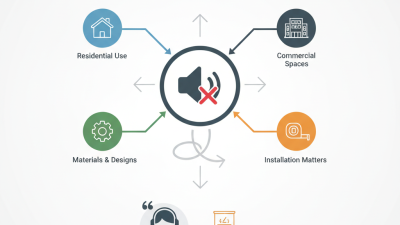
The chart compares representative Noise Reduction Coefficient (NRC) values for common acoustic panel types. NRC ranges vary with thickness, air gap, mounting method, and frequency. Higher values indicate stronger absorption of room reflections and reverberation; absorption panels improve room acoustics but do not block sound transmission through walls.
Choosing an acoustic panel starts with the room, not the catalogue photograph. Acoustic panels reduce reflections and reverberation; they rarely block traffic, voices, or mechanical noise.
The World Health Organization’s 2018 Environmental Noise Guidelines recommend indoor night noise below 30 dB in bedrooms.
That target requires building isolation, sealed gaps, and sometimes mechanical upgrades. Panels address a different problem.
For speech rooms, select porous mineral fiber, recycled cotton, or fiberglass panels with an open, fabric-covered surface. Their performance should be verified under ASTM C423, which reports sound absorption through the Noise Reduction Coefficient.
Higher NRC values generally mean stronger broadband absorption, but installation changes results. An air gap behind a 50-millimeter panel can improve low-frequency absorption. Small rooms often need ceiling clouds, not only wall rectangles. Sound gathers overhead.
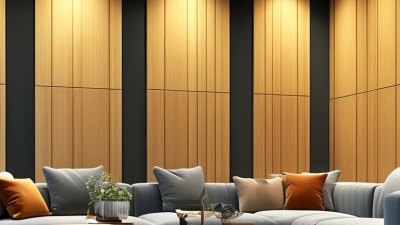
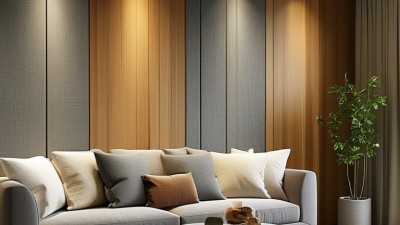
Wood slats with an absorbent backing can control reflections while preserving warmth and visual texture. They suit offices, studios, and dining spaces where total absorption may make speech feel unnaturally dry.
ISO 3382 provides methods for measuring reverberation time, so compare the room before and after treatment. I have seen attractive panels fail because they covered only the listening position. Coverage matters.
Uneven placement can leave a sharp flutter echo between parallel walls. Start with first-reflection points, then treat the ceiling and rear wall.
A panel can be beautiful and wrong. Measurements are better than confidence.
Acoustic panels work best when installed for the room’s actual problems. They reduce reflections, improve speech clarity, and control harsh echoes. They do not fully block traffic, voices, or building noise. That distinction matters.
Begin by marking the first-reflection points on side walls and the ceiling. Use removable brackets when possible, especially in rented spaces. A small air gap behind each panel can improve low-frequency absorption. Four to eight inches often performs better than direct wall mounting. For corners, place thicker panels or bass traps from floor to ceiling. Secure every panel firmly, and check the wall structure before drilling.
Tips: Clap near the listening position. A sharp ring suggests excessive reflection. Add panels gradually, then test again with spoken words and music. Avoid covering every hard surface; overly dead rooms can feel unnatural. Use fabric-covered panels with documented fire ratings, and follow local installation rules. Adhesive mounting seems easy, but it can damage paint or fail under heavy panels. I have seen careful layouts underperform because the panels were placed too high. Measure twice, listen once, then adjust.