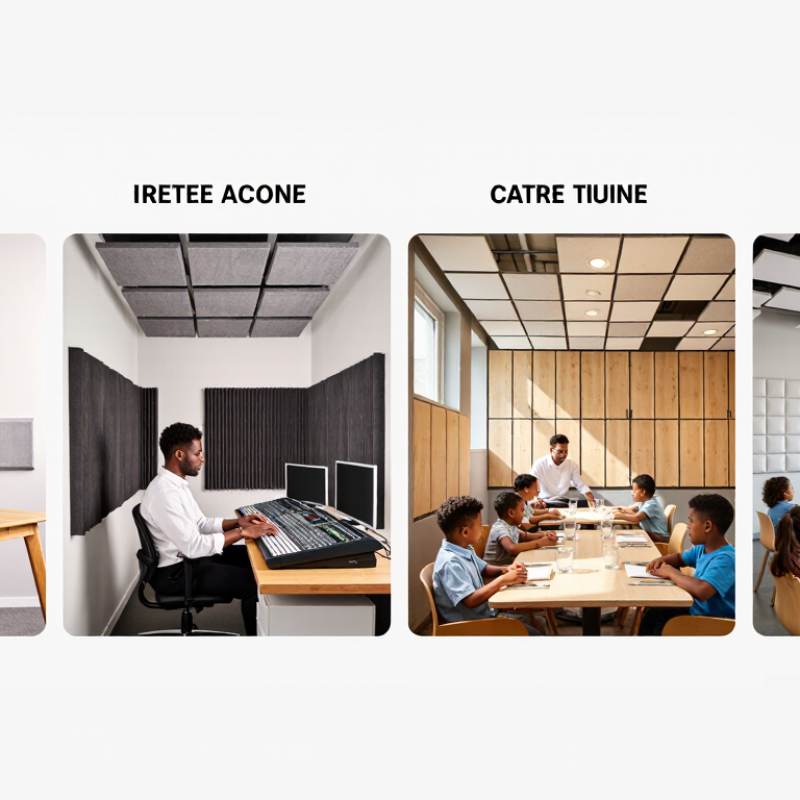
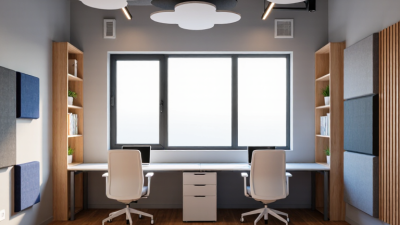
Choosing the best acoustic tiles begins with understanding what your room actually needs. A lively home office, recording studio, restaurant, and classroom create different sound challenges. Footsteps, voices, equipment noise, and hard surfaces can produce very different echoes. The right solution should respond to those details, not simply follow a popular design trend.
Acoustic tiles mainly absorb reflected sound inside a room. They do not automatically block noise from nearby spaces. Look for clear product data, including Noise Reduction Coefficient ratings, thickness, density, fire performance, and installation requirements. Independent laboratory testing can provide greater confidence than attractive marketing claims. In practice, thicker panels often improve low-frequency control, while thinner tiles may work well for speech and high-frequency reflections. Placement matters, too. A ceiling grid, rear wall, or first-reflection points can change the result noticeably.
Design and maintenance deserve equal attention. Fabric-covered tiles may offer warmth and color, but they can collect dust or show stains in busy spaces. Wood-fiber or PET options may suit offices that need a cleaner, more durable finish. I have seen attractive installations disappoint because installers ignored gaps, corners, or room volume. That is easy to overlook. A careful plan should combine measurements, listening tests, and realistic expectations. Even the best acoustic tiles cannot repair every problem. Reconsider the material after testing a small area, especially when speech clarity, music quality, or long-term comfort matters.
Start with the sound problem, not the tile appearance. A meeting room may need clearer speech, while a music studio needs controlled reverberation. Measure room size, ceiling height, occupancy, and existing hard surfaces. ISO 3382 identifies reverberation time as a key acoustic measurement. For classrooms, ANSI/ASA S12.60 recommends reverberation times near 0.6 to 0.7 seconds. This is a useful reference, not a universal target.
Check the tile’s Noise Reduction Coefficient, or NRC. NRC describes average sound absorption across common speech frequencies. However, laboratory results may change after installation. Gaps, lighting fixtures, and limited coverage can reduce performance. The 2018 WHO Environmental Noise Guidelines also identify lower indoor noise exposure as important for learning, communication, and sleep. Your room may still feel noisy after installation. That is worth questioning.
Tips:
Record a short voice test before buying. Stand at the farthest listening position. Add absorption above the main reflection zones first. Use ASTM C423 test data when comparing products. Ask whether the rating applies to the complete ceiling system. A tile with strong absorption may create a dull room if used excessively. Reflective surfaces still matter.
Compare Acoustic Tile Materials, Designs, and Performance
How to Choose the Best Acoustic Tiles?
Choosing acoustic tiles requires more than matching colors to a wall. Compare the material, surface design, and tested performance together. PET felt tiles are lightweight, flexible, and useful for reducing echoes in offices or classrooms. Mineral fiber usually offers strong sound absorption and good fire performance. Perforated wood tiles can add warmth, but their backing layer affects results significantly. Foam may absorb sound effectively, yet it may not suit every fire or moisture requirement.
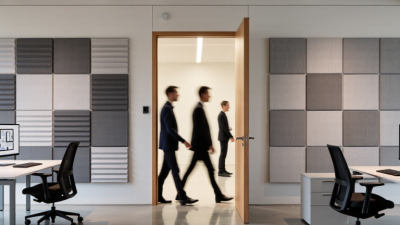
Look for published absorption data, such as NRC ratings, but read the testing conditions carefully. A tile tested on a full wall may perform differently in a small meeting room. I have seen attractive panels leave speech unclear because they treated only one reflective surface. Placement matters. Ceiling clouds, wall panels, and corner treatment each address different reflections. Open patterns can improve visual rhythm, while dense layouts often provide more consistent coverage.
Tips: Tap the room before choosing tiles. Notice the sharpness of clapping, keyboard noise, and nearby voices. Choose washable surfaces in busy areas. Check fire, humidity, and installation requirements with qualified professionals. Do not rely on appearance alone. I once preferred a thinner design, then reconsidered after hearing sound bounce from the uncovered ceiling. Sometimes the better choice is less dramatic.
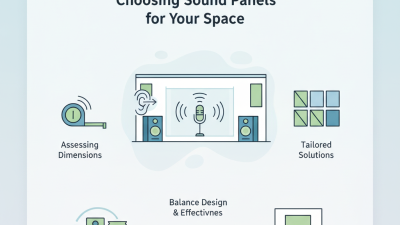
Measure the Space and Calculate the Required Tile Coverage
Before choosing acoustic tiles, measure the room carefully. Record the wall length, wall height, ceiling height, doors, windows, and large openings. A laser measure improves accuracy, but a tape measure works well when used twice.
Calculate each wall’s area by multiplying length by height. Subtract doors and windows, then add the remaining wall areas together. For example, a 4-meter by 2.5-meter wall provides 10 square meters. If one tile covers 0.5 square meters, you need 20 tiles for that wall. Add around 10% for cutting, corner adjustments, and future replacements.
Do not cover every surface automatically. Acoustic tiles mainly reduce reflections, which often come from parallel walls, ceilings, and bare floors. In a small office, treating the wall opposite a desk can improve speech clarity. In a music room, ceiling coverage may matter more. Place tiles at ear level when echoes are strongest.
Measure again.
In practical room assessments, I also clap, speak, and listen from several positions. This simple test reveals flutter echoes that measurements may miss. I once calculated coverage without considering a deep bookshelf. The estimate looked precise but performed poorly. Room furniture changes sound behavior, so treat the calculation as a starting point, not a perfect answer. Record your assumptions and adjust the layout after installation.
How to Choose the Best Acoustic Tiles?
Measure the room area first, then estimate the tile coverage required. This example uses 600 × 600 mm acoustic tiles, with each tile covering 0.36 m². A 25% treatment target is used for general speech and office noise control.
Calculation: Required tiles = ceiling or wall area × 25% ÷ 0.36 m², rounded up to the next whole tile.
Evaluate Installation Methods, Durability, and Maintenance
Choosing acoustic tiles requires more than comparing appearance and price. Installation affects the final acoustic result. Tiles fixed with adhesive create a clean, permanent surface, but uneven walls can leave visible gaps. Mechanical clips or suspension systems allow access above the ceiling and easier replacement. In busy offices, that flexibility often matters more than a slightly lower purchase cost. Measure the room before ordering. Small errors become expensive when every tile must be trimmed.
Check performance data, not vague claims. ASTM C423 measures sound absorption, while ISO 11654 converts test results into a weighted absorption rating. A higher NRC usually means better absorption, but it does not guarantee sound insulation between rooms. The World Health Organization’s Environmental Noise Guidelines recommend indoor bedroom noise below 30 dB(A) at night and classroom noise below 35 dB(A). Tiles can reduce reverberation, yet they cannot seal a noisy window or thin partition. This distinction is often missed.
Durability depends on density, edge strength, humidity resistance, and cleaning methods. Review the manufacturer’s test documentation for abrasion, fire performance, and dimensional stability. The International Building Code and ASTM E84 are useful references for surface-burning behavior, but local requirements still control. Maintenance should be practical: vacuum fabric surfaces with a soft brush, wipe coated panels gently, and replace damaged pieces instead of over-cleaning them. In real projects, maintenance plans are often written too late. That is a mistake. A beautiful tile that stains easily may perform well on paper, but fail during its first busy year.
Select Acoustic Tiles That Fit Your Budget and Style
Choosing acoustic tiles becomes easier when your budget and visual goals are considered together. Start by measuring the room, noting hard surfaces such as glass, concrete, and bare desks. A 12-by-12-foot meeting room may need fewer tiles than a larger open office. However, room use matters more than size alone. Speech-heavy spaces usually need strong sound absorption to reduce echo and improve conversation clarity.
Set a realistic budget before choosing colors or patterns. Include adhesive, mounting hardware, cutting waste, and professional installation. Lower-cost polyester tiles can offer practical absorption and many color options. Thicker panels often perform better, but they may occupy more wall space.
Check independent test data, especially the Noise Reduction Coefficient, instead of trusting appearance. Acoustic tiles reduce reflected sound; they do not fully block noise from another room.
Style should support the room, not overpower it.
Soft gray tiles can blend with a minimalist office, while geometric shapes can add visual energy to a reception area. I once selected tiles mainly for their color, then noticed they absorbed less sound than expected. That was a useful mistake. Compare the technical sheet with the room’s actual needs, and verify fire-performance requirements under local building rules. Leave enough clear wall space for doors, lighting, artwork, and ventilation. Small samples help, but they can make a pattern look calmer than it feels across an entire wall. Test before ordering.