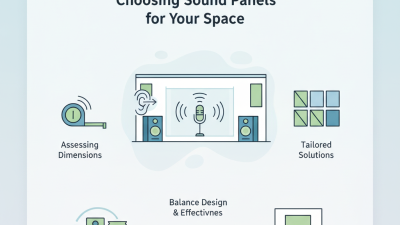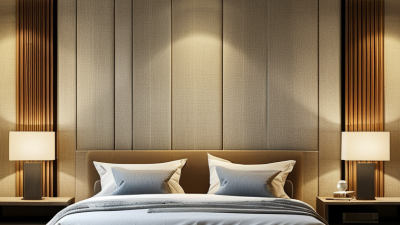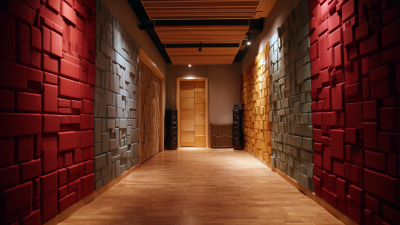

Choosing the right acoustic sound panels is not simply a matter of covering every visible wall. Room size, surface materials, speech patterns, and low-frequency buildup all shape the result. A panel that works beautifully in a podcast studio may feel weak in a busy restaurant or home office. That difference matters.
Acoustics professor Trevor Cox explains the goal clearly: “Good acoustics make useful sound clear and unwanted sound less distracting.” This principle guides our selection of the 10 best acoustic sound panels for noise reduction. We examine absorption performance, thickness, mounting methods, fire-safety information, durability, and design flexibility. We also consider practical installation details, such as whether panels can fit around shelves, lights, and ventilation.
Real rooms are imperfect. So are product specifications.
A high NRC rating can help reduce reflected speech, keyboard clicks, and harsh echoes. However, it does not guarantee complete soundproofing. Most acoustic sound panels absorb airborne reflections inside a room. They rarely stop loud bass from traveling through walls, floors, or ceilings. That limitation is easy to overlook, especially when product pages promise dramatic results.
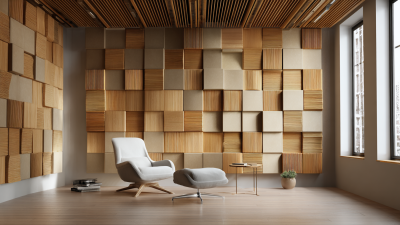
The strongest options combine measurable performance with sensible construction. Fabric-wrapped panels, PET felt designs, wood-slatted systems, and ceiling clouds each solve different acoustic problems. Placement may matter as much as quantity. In many cases, treating first-reflection points creates a clearer improvement than adding panels randomly.
This guide compares leading choices with a practical, evidence-minded approach. Some products look excellent but need careful installation. Others seem plain and perform reliably.

Acoustic sound panels are porous materials designed to absorb sound energy inside a room. They are not solid barriers. Instead, their fibers or open cells slow the air movement caused by sound waves. This movement becomes a small amount of heat. The room then feels less harsh and less tiring.
In practice, panels reduce reflections from speech, music, and equipment. A fabric-covered mineral fiber panel may work well on a wall behind a desk. Ceiling panels can control sound above a meeting table.
Place them near strong reflection points, where a mirror would show a speaker. Thick panels usually absorb lower frequencies better. Thin foam often handles higher frequencies, but it may leave voices sounding strangely dull.
That distinction matters. Absorption reduces echo inside one room. Soundproofing requires mass, airtight construction, and often structural separation. Panels will not stop traffic or a neighbor’s bass by themselves. I once treated only the wall behind a monitor and expected silence. The echo improved, but the low rumble remained. That result was useful, though disappointing. Measure the room before buying anything. A short recording, hand-clap test, and simple reverberation check can reveal problem areas. Use enough coverage for control, while preserving some reflective surfaces for a natural sound. Placement is not decoration. It is part of the acoustic design.
Choosing the best acoustic sound panels requires more than comparing attractive designs. In practice, I examine the room’s purpose, size, and dominant noise before selecting materials. A panel that improves speech clarity may not control deep bass effectively. Measure the problem first.
Look for independently tested absorption data, including the Noise Reduction Coefficient and frequency ranges. A high rating can still hide weak low-frequency performance. Thicker panels usually absorb lower sounds, while thin panels mainly reduce reflections. Leave an air gap behind the panel when possible. This can improve absorption without increasing panel thickness.
Placement matters as much as construction. For a meeting room, place panels near reflection points and across the rear wall. In a music space, combine wall panels with ceiling treatment and bass absorption. Choose durable fabric, safe internal materials, and secure mounting hardware. Check fire-resistance documentation and cleaning requirements before installation. Small details matter.
I once focused too heavily on appearance and underestimated panel coverage. The room looked finished, but voices still sounded harsh. That mistake changed my process. I now clap-test the room, record short conversations, and compare results after each installation stage. It is not a laboratory measurement, but it reveals problems quickly. Avoid covering every surface blindly; an overly dead room can feel unnatural and uncomfortable. Good acoustic treatment balances absorption, diffusion, safety, and everyday practicality.
Acoustic panels solve different problems, so the “best” choice depends on the room. They reduce reflections, but they do not fully block outside noise.
For speech clarity, polyester fiber panels work well in offices, classrooms, and video rooms. They are lightweight and easy to reposition.
Fabric-wrapped fiberglass panels absorb mid and high frequencies efficiently.
Mineral wool panels offer similar performance when installed with a safe, durable covering.
Perforated wood panels add absorption while keeping a warmer visual style.
Wood slat panels can improve echoes without making a room feel overly soft.
Fabric ceiling clouds help control sound in rooms with hard floors and tall ceilings.
Mobile acoustic partitions suit shared workplaces and temporary recording areas.
Bass traps belong in corners, where low-frequency energy often gathers.
Foam wedge panels reduce some reflections, but their bass control is limited.
Decorative printed panels can combine visual identity with modest acoustic treatment.
I once tested a small meeting room with only wall panels. Voices improved, yet footsteps still sounded sharp. The missing treatment was overhead absorption.
Start with the room. Clap tests help, but professional measurements are more reliable. Check published absorption data, mounting depth, fire performance, and cleaning requirements. A thicker panel with an air gap often performs better than a thin panel placed directly against the wall. Corners matter. Do not cover every surface blindly, because excessive absorption can make speech sound unnatural. Room use, frequency range, installation quality, and maintenance should guide the final selection.
Effective acoustic-panel installation begins with the room, not the product. Acoustic panels reduce reflected sound and reverberation; they do not fully block traffic, machinery, or voices through walls. ISO 354 measures sound absorption in a reverberation room, while ISO 11654 converts test results into a weighted absorption rating. Treat those figures as guidance, not a promise for every space.
Walk around the room and identify hard, reflective surfaces. Clap near the front wall, ceiling, and side walls, then listen for sharp echoes. Place panels at the first-reflection points beside the listening position. Use a mirror held against the wall to locate them accurately. Ceiling clouds can control vertical reflections, especially above desks or conference tables. Leave a small air gap behind each panel; research and laboratory testing show that spacing can improve low-frequency absorption. Do not cover every surface. A room can become dull and uncomfortable.
A 2018 World Health Organization report links prolonged environmental noise exposure above 53 dB Lden from road traffic with increased health risks. Panels will not solve that transmission problem, but they can improve speech clarity indoors. Aim for balanced coverage across walls and ceilings. Measure twice.
In small rooms, place absorption behind the speakers and at side-wall reflection points. Bass traps belong in corners, where low-frequency energy gathers. Mount panels securely, with fire-rated materials and clear access to electrical fixtures. A useful installation can still be imperfect; room furniture, panel thickness, and low-frequency performance often require adjustment after listening tests.
Acoustic panels need regular care, not occasional attention. Dust can fill the surface pores and reduce absorption. Vacuum fabric faces gently with a soft brush every three to six months. Do not soak them. Moisture can weaken adhesives and encourage hidden mold behind wall-mounted panels. Check corners, fasteners, and backing materials during cleaning. Loose panels can fall, especially above desks or seating areas.
Their limits are easy to misunderstand. Most panels absorb reflected sound inside a room. They do not fully block traffic, machinery, or voices passing through walls. ISO 354 measures sound absorption in a reverberation room, while ASTM C423 reports absorption coefficients under defined laboratory conditions. These results do not guarantee the same performance in a furnished office. Room size, ceiling height, gaps, and installation coverage matter. A useful reflection: more panels are not always better. Over-absorption may make speech sound unnaturally dry.
Safety requires documented material performance. Review the panel’s fire-test classification, smoke information, and installation instructions before covering large wall or ceiling areas. Keep panels away from heat sources and electrical equipment. NIOSH identifies 85 dBA over eight hours as a recommended occupational exposure limit, using a three-decibel exchange rate. Panels may improve comfort, but they cannot replace hearing protection or engineering controls near hazardous noise. The World Health Organization’s Environmental Noise Guidelines also connect excessive noise with sleep and health risks. Measurement remains essential. A sound-level meter and reverberation test can reveal whether the chosen treatment actually works.
| Rank | Panel Type | Typical Thickness | Typical NRC Range | Best Application | Maintenance Requirements | Main Limitation | Safety Considerations |
|---|---|---|---|---|---|---|---|
| 1 | 2-inch Fabric-Wrapped Fiberglass Panel | 50 mm / 2 in | 0.90–1.05 | Recording rooms, offices, classrooms, conference rooms, and studios | Vacuum or gently brush the fabric; remove stains with a manufacturer-approved method; inspect mounting hardware periodically | Does not block sound transmission through walls, ceilings, doors, or windows | Use a tested fire-rated core and covering; wear gloves when cutting or handling exposed fibrous materials |
| 2 | Thick PET Felt Panel | 12–24 mm / 0.5–1 in | 0.45–0.85 | Open-plan offices, home offices, corridors, and learning areas | Dust with a soft brush or vacuum using a low-power attachment; avoid soaking the felt | Thin panels provide limited low-frequency absorption and may require an air gap for better performance | Confirm the product has appropriate fire-performance documentation; keep away from open flames and high heat |
| 3 | Acoustic Ceiling Cloud | 25–50 mm / 1–2 in | 0.70–1.00 | High-ceiling rooms, cafeterias, libraries, and large meeting spaces | Dust periodically and check suspension cables, anchors, and ceiling connections | Requires secure overhead installation and may not be suitable where sprinkler, lighting, or ventilation clearances are limited | Have suspended systems installed according to structural and fire-safety requirements; never obstruct emergency equipment |
| 4 | Acoustic Baffle | 25–50 mm / 1–2 in | 0.65–1.00 | Industrial spaces, gyms, atriums, and rooms with large reverberant volumes | Vacuum or dust both sides; inspect hardware and spacing after maintenance work nearby | Less effective when installed too close together or where airflow causes movement | Use rated suspension components; maintain clearance from fans, heaters, lights, and sprinkler coverage |
| 5 | Perforated Wood Panel with Absorptive Backing | 40– 80 mm / 1.6–3.1 in total system depth | 0.60–0.95 | Auditoriums, music rooms, restaurants, and architectural interiors | Dust with a soft cloth or brush; avoid excessive moisture and abrasive cleaners | Usually costs more and may absorb less mid/high-frequency sound than a fully porous panel of similar depth | Verify the backing and finish fire classification; secure panels to prevent falling or splintering |
| 6 | Acoustic Foam Wedge or Pyramid Panel | 25–75 mm / 1–3 in | 0.30–0.80 | Small recording booths, broadcast rooms, voice rooms, and practice spaces | Use a soft brush or low-suction vacuum; replace damaged or crumbling foam | Often performs poorly at low frequencies and can create an acoustically unbalanced room if overused | Only use foam with documented fire performance; keep away from ignition sources and heat-producing equipment |
| 7 | Corner Bass Trap | 100–300 mm / 4–12 in | Variable; commonly rated by low-frequency absorption coefficients | Recording studios, home theaters, listening rooms, and rooms with strong bass buildup | Keep dust-free and inspect corners for moisture, mold, or fabric damage | Requires substantial volume and correct placement; it will not eliminate all low-frequency modes | Maintain ventilation behind wall-mounted units where required; use stable, load-appropriate fixings |
| 8 | Acoustic Curtain or Movable Drapery | 5–25 mm / 0.2–1 in fabric thickness | 0.20–0.70 | Multipurpose rooms, theaters, classrooms, and temporary acoustic separation | Vacuum regularly; follow the textile cleaning instructions; check tracks, rollers, and tiebacks | Performance depends heavily on fullness, folds, coverage, and distance from the wall | Use flame-resistant or fire-treated textiles where required; keep curtains clear of heaters and exits |
| 9 | Micro-Perforated Membrane Panel | 50–150 mm / 2–6 in cavity depth | 0.50–0.95 | Cleanable interiors, healthcare areas, transport spaces, and rooms needing moisture resistance | Wipe with a compatible non-abrasive cleaner; inspect seams and perforations for damage | Requires a properly designed air cavity and may be less effective if perforations become blocked | Use materials approved for the intended hygiene and fire environment; do not use unverified solvents |
| 10 | Diffuser-Absorber Hybrid Panel | 75–150 mm / 3–6 in | 0.40–0.85 | Music rooms, lecture halls, performance spaces, and critical listening environments | Dust carefully around grooves and surfaces; check brackets and wall anchors annually | Provides a balance of scattering and absorption but may not deliver the highest absorption per square metre | Secure heavy units properly; confirm edge finishes, fire classification, and impact resistance for public spaces |