
Please ensure Javascript is enabled for purposes of website accessibility

Why Choose Acoustic Wall Panels for Your Next Project?

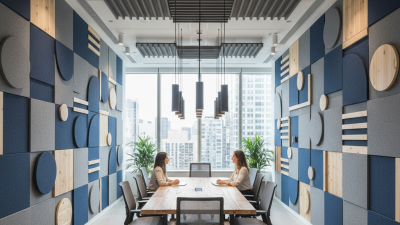
When considering acoustic treatments for spaces, "Acoustic Wall Panels" stand out as an effective solution. Research shows that 70% of individuals believe acoustics significantly impact their comfort and productivity levels in workspaces. In commercial environments, noise levels can hinder communication and focus, directly affecting performance. The use of acoustic wall panels can reduce noise distractions by up to 50%, creating a more conducive atmosphere.

Additionally, industry reports highlight that installing acoustic panels can improve sound quality and reduce reverberation time significantly. Enhancing sound performance is crucial in spaces such as offices, restaurants, and educational institutions. The ability to design spaces that prioritize sound quality reflects a growing awareness of mental well-being.

However, the selection and installation of these panels should be approached with care. Some designs may not align with the aesthetic needs of a project. It requires thoughtful consideration to balance functionality with style. Recognizing the limitations and challenges in achieving the desired acoustic environment is vital for any project. This nuanced understanding of "Acoustic Wall Panels" gives professionals the edge in creating optimal spaces.
Why Choose Acoustic Wall Panels for Your Next Project?

Benefits of Acoustic Wall Panels in Interior Design

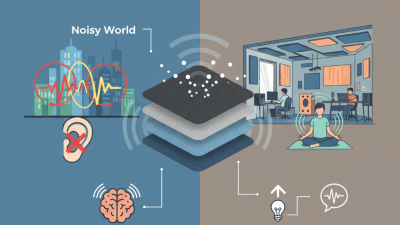
Acoustic wall panels offer significant advantages in interior design, especially in sound management. According to the Acoustical Society of America, effective sound control can improve communication and productivity by up to 30%. In open spaces, these panels help absorb sound, reducing disturbances from conversations or machinery. This creates a more peaceful environment for both work and leisure.

Materials used in acoustic panels play a crucial role. High-quality options often contain recycled materials, enhancing their sustainability. For example, studies show that using eco-friendly acoustical products can lead to a 20% reduction in waste during renovation. This commitment to sustainability speaks to evolving design trends that prioritize environmental impact.

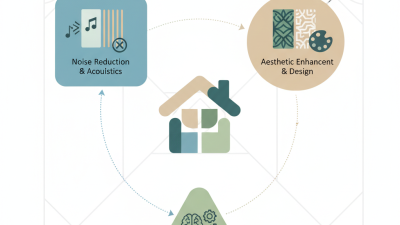
Consider that aesthetics also matter. Acoustic panels come in various textures and colors, blending functionality with style. Many designers overlook the need for visual appeal in functional elements. Balancing sound control and design is essential. While panels can be practical, they should not sacrifice the overall look of a space. Choosing the right designs can provoke thought and invite dialogue among creators.

Types of Acoustic Wall Panels Available in the Market

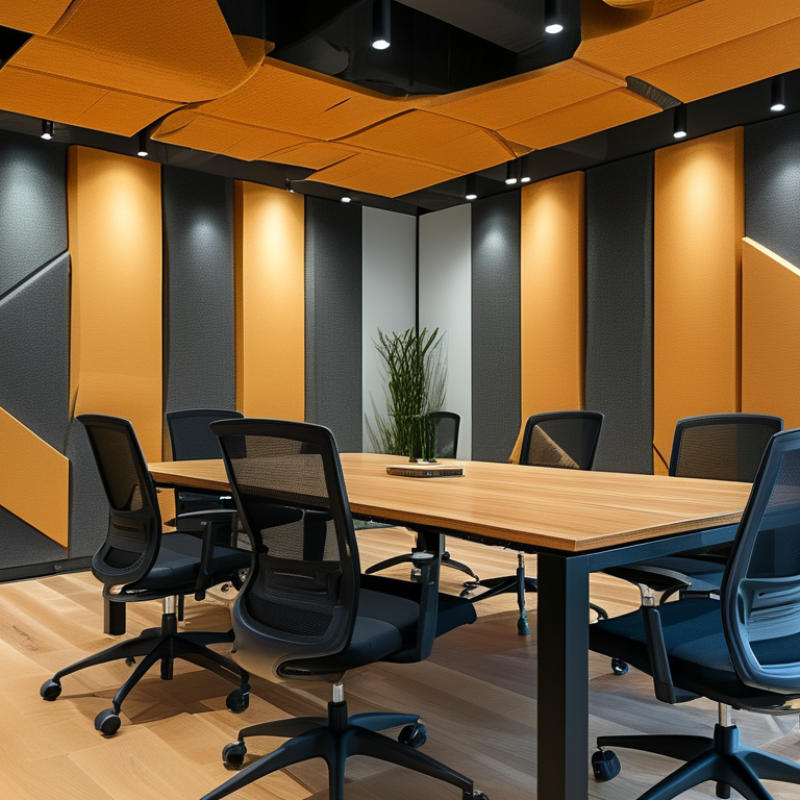
Acoustic wall panels are becoming increasingly popular in various settings, including offices, recording studios, and homes. These panels come in different types, each serving unique purposes. Polyester wall panels, for instance, are lightweight and eco-friendly, making them a great choice for both aesthetics and sound absorption. Their colorful designs can enhance any room's décor while effectively reducing echo and noise.

Another option is fabric-wrapped panels. These panels offer extensive customization. Users can choose from various fabrics and finishes to match their interior design. They are effective in managing sound and creating a comfortable atmosphere. However, fabric-wrapped panels may require regular maintenance to keep them looking their best.

Finally, foam-based panels are popular for their affordability and lightweight nature. They are easy to install and can significantly improve sound quality. However, the aesthetic appeal may not satisfy all users, as they often look utilitarian or industrial. Each type of acoustic wall panel brings advantages and challenges, inviting users to weigh their options and choose what aligns with their project’s goals.

Factors to Consider When Choosing Acoustic Wall Panels

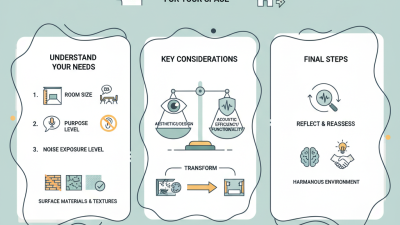
When selecting acoustic wall panels, several essential factors come into play. The material of the panels is crucial. Various options include fabric, wood, and foam. Each material impacts sound absorption differently. A dense material generally absorbs more sound, but it also adds weight. Lightweight options can be easier to install but may not provide the same level of sound dampening.

Another important consideration is the panel design and aesthetic. You want panels that blend well with your space. Color and texture can enhance the room’s look. Keep in mind that acoustic treatment does not have to compromise style. Sometimes, a bold design choice can create a striking focal point while improving acoustics.

Finally, think about installation and maintenance. Some panels require professional installation, while others can be easily mounted by anyone. Durability is a concern too; the materials should withstand wear and tear. Reflecting on these factors will help ensure the selected panels meet both your acoustic needs and design goals.

Acoustic Wall Panels - Key Factors and Their Importance

Installation and Maintenance of Acoustic Wall Panels

Acoustic wall panels are becoming increasingly popular for various projects. Their installation and maintenance are vital for maximizing their effectiveness. Proper installation ensures sound absorption capabilities are optimized. Data from industry reports indicate that well-installed panels can reduce noise levels by up to 50%, greatly improving the acoustic environment.

When it comes to installation, precise measurements and positioning matter. Panels should be strategically placed based on room layout and usage requirements. According to the Acoustical Society of America, adhering to recommended spacing can enhance sound quality. Maintenance also plays a role; panels should be periodically checked for damage and cleaned. This helps maintain their functionality and aesthetic integrity.

However, installation isn't always straightforward. Many underestimate the complexities involved. Factors such as wall material and panel type can influence outcomes. It's essential to reflect on these aspects before proceeding. Regular upkeep is often overlooked, which can lead to diminished performance over time. Understanding these challenges is crucial for anyone considering acoustic wall panels for their next project.

Cost-effectiveness of Acoustic Wall Panels for Various Projects

Acoustic wall panels are increasingly recognized for their cost-effectiveness across various projects. These panels not only reduce noise but also enhance the overall aesthetic of a space. By controlling sound levels, they create a more comfortable environment for work and leisure. When thinking of budget, it’s essential to consider the long-term benefits. Investing in acoustic panels can lead to reduced costs in other areas, such as HVAC efficiency.

Considering installation costs, they are generally low compared to other acoustic solutions. Many panels are lightweight and easy to install, saving on labor expenses. However, some individuals may underestimate their initial investment. Not all panels offer the same level of sound absorption. It’s vital to research different materials and designs. A less effective panel can lead to dissatisfaction and additional costs in the future.

Sound quality can impact productivity and well-being. For businesses, this is crucial. Acoustic wall panels can improve communication in noisy environments, leading to better teamwork and increased productivity. Yet, not every space requires the same treatment; some areas might need more specialized solutions. This highlights a potential misstep: overlooking individual project needs can diminish overall effectiveness.

Why Choose Acoustic Wall Panels for Your Next Project? - Cost-effectiveness of Acoustic Wall Panels for Various Projects

Project Type Estimated Cost per Square Foot Noise Reduction Rating (NRC) Installation Time (hours) Longevity (years)
Office Spaces $5-$10 0.85 4-6 10
Recording Studios $15-$25 1.00 6-8 15
Restaurants $8-$12 0.90 4-5 8
Home Theaters $10-$20 0.95 3-5 12
Gyms $6-$14 0.80 5-7 10