
Please ensure Javascript is enabled for purposes of website accessibility

How to Use Acoustic Foam for Better Soundproofing?

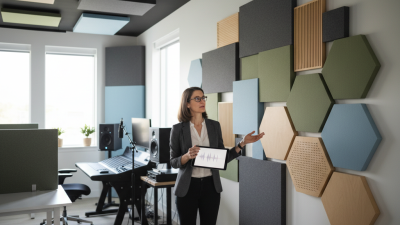
Acoustic Foam has become a popular choice for improving sound quality in various spaces. It effectively reduces unwanted noise and echoes. In homes, studios, and offices, proper use of Acoustic Foam can transform the auditory experience.

Understanding how to properly position and install Acoustic Foam is crucial. Many people underestimate its impact. Simply placing foam panels on walls is not enough. Each panel should be strategically placed to maximize sound absorption. This process often requires trial and error.

Correct placement makes a noticeable difference. Experimenting with different configurations helps achieve the best results. Pay attention to corners, as they often carry the most sound. Additionally, the material's thickness plays a key role in effectiveness. Don't overlook this aspect. Properly utilized, Acoustic Foam can elevate your environment, creating a more inviting and peaceful space.
How to Use Acoustic Foam for Better Soundproofing?

Understanding Acoustic Foam and Its Properties

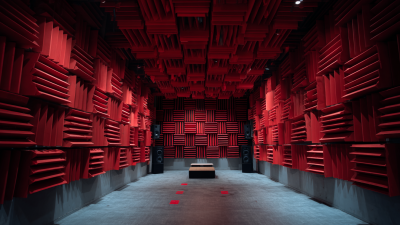
Acoustic foam plays a crucial role in soundproofing. Understanding its properties can help you achieve better results in noise reduction. This foam absorbs sound waves and reduces echo. It's made from open-cell polyurethane. This design allows sound waves to penetrate its surface and dissipate.

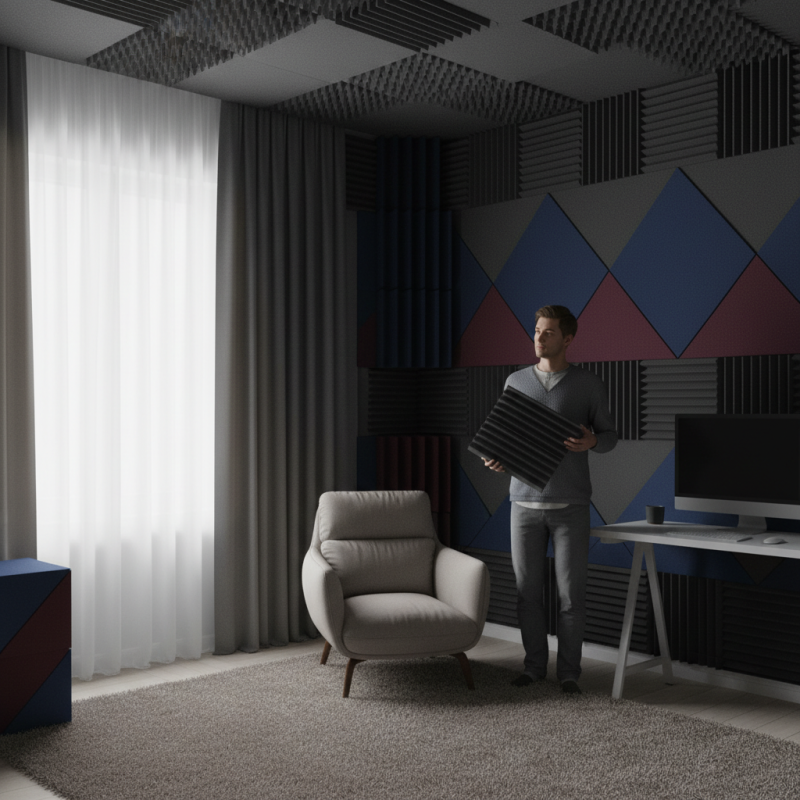
When using acoustic foam, consider placement carefully. Covering walls and ceilings can enhance sound quality. However, avoid overdoing it in small rooms. Balance is key. Too much foam can create an odd acoustic environment. Use foam panels sparingly for optimal effects.

Tips: Test different arrangements. Move panels around to see where they work best. Pay attention to corner areas. Bass frequencies can build up there, necessitating additional foam. Always evaluate the results. Make adjustments as needed. Your environment is unique, so tailor your approach.

Selecting the Right Type of Acoustic Foam for Your Space

How to Use Acoustic Foam for Better Soundproofing?

Acoustic foam is essential for improving sound quality. Choosing the right type is vital for effective soundproofing. Various foam options exist, each serving a different purpose. According to industry reports, installing foam can reduce noise levels by up to 50%. This information highlights the importance of selecting the foam that best fits your needs.

When assessing space requirements, consider foam thickness and density. Thicker foam typically absorbs more sound. However, denser foam provides better overall sound quality. A study published in the Journal of Acoustics noted that foam with a density of 3-4 pounds per cubic foot is optimal for home studios. This data indicates that material choice significantly affects sound absorption.

Environmental factors also play a role. Rooms with hard surfaces reflect sound waves, amplifying noise. Use foam that suits your room type. For smaller spaces, thinner foam may suffice. Larger areas might need high-density options. Despite available data, individuals often overlook personal preferences. Regularly reassess your setup for optimum sound performance.

Essential Installation Techniques for Optimal Soundproofing

How to Use Acoustic Foam for Better Soundproofing?

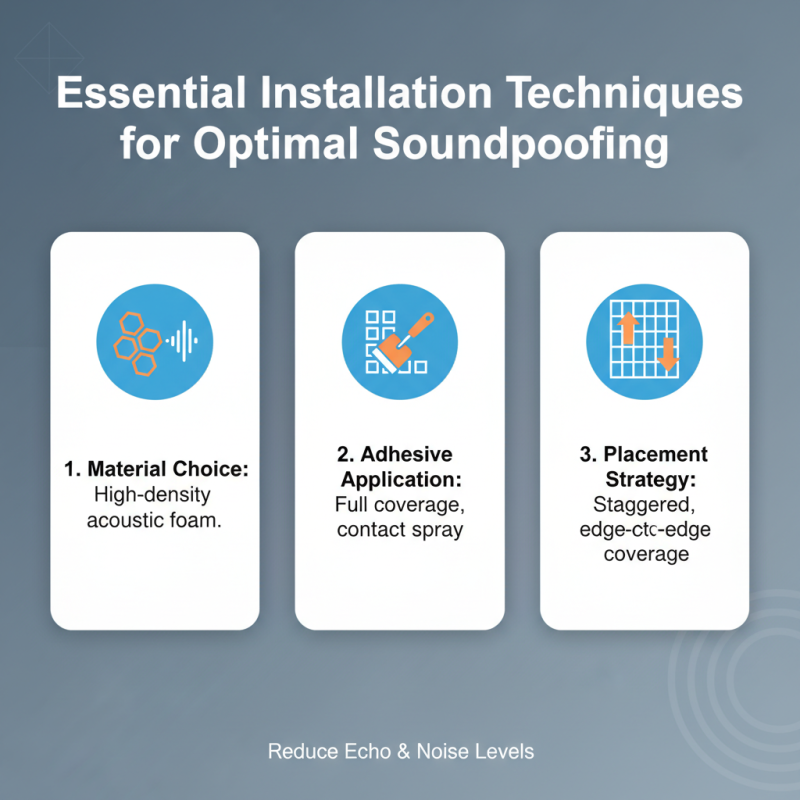
Acoustic foam is a powerful tool for soundproofing. Properly installed foam can dramatically reduce echo and noise levels. However, not everyone achieves the best results on their first try. It's essential to understand installation techniques before diving in.

When applying acoustic foam, start by measuring the space. Calculate how much foam you need. A common mistake is underestimating the amount required, leading to gaps that negate effectiveness. Use a level to ensure the foam is straight. Sometimes it may look good from a distance but check closely for flaws.

**Tip:** Cut the foam carefully to fit corners. This can enhance sound absorption in tricky areas. Use adhesive recommended for foam. Sometimes it takes a few tries to get it right, so don't rush. Install in small sections and step back frequently.

Adjust placement based on sound tests. If you notice lingering echoes, consider moving some panels. Each room has different acoustic challenges; your initial plan might need tweaks. Trust your ears, and be open to adjustments for the best results.

Maintaining and Caring for Acoustic Foam Panels

Acoustic foam panels can significantly improve soundproofing in any space. However, keeping them in good condition is essential for optimal performance. Regular cleaning helps maintain their effectiveness. Dust and pollutants can accumulate, reducing sound absorption capabilities. A vacuum with a soft brush attachment works well for this. Alternatively, a damp cloth can remove stubborn particles.

Storage is another important factor. When not in use, keep acoustic foam in a dry, cool area. Avoid direct sunlight, as UV rays can degrade the foam material. If panels become damaged, they can lose their sound-dampening qualities. Inspect them regularly for tears or degradation.

It's also crucial to be mindful of placement. Panels should be positioned strategically for the best sound control. This can sometimes require experimentation. Adjustments in placement can lead to surprisingly better results. Don't hesitate to ask for advice, yet be prepared to find solutions through trial and error. Acoustic foam is a useful tool, but its effectiveness relies heavily on proper care and placement.

Common Mistakes to Avoid When Using Acoustic Foam

When using acoustic foam, there are common mistakes that can hinder its effectiveness. One prevalent error is improper placement. Many individuals assume that simply applying foam to walls will eliminate noise. However, without addressing sound reflection points, the results can be underwhelming. Studies show that strategic placement can improve sound absorption by up to 50%.

Another frequent mistake is underestimating the amount of foam needed. Acoustic foam should cover a significant portion of the surface area. Using insufficient foam can lead to an echo or hollow sound. A report by the Acoustical Society of America indicates that adequate foam coverage can reduce sound levels by approximately 10 decibels in some settings.

Tips: Always measure the dimensions of your space. Consider the type of sound you are trying to block. Test different layouts before permanently installing the foam. Remember that quality matters; cheap foam may not provide the desired results. Lastly, avoid assuming your room is perfectly soundproof. Reflecting on these choices can lead to a more successful outcome in soundproofing.