
Choosing the right sound absorbing panels can significantly enhance your space's acoustics. These panels are essential for reducing noise levels in various environments, from home studios to busy offices. When selecting sound absorbing panels, it is important to consider factors such as material, thickness, and design. The effectiveness of these panels largely depends on their ability to absorb sound frequencies.
Quality varies greatly among products on the market. A panel may look great, but if it does not perform well, your investment is wasted. Prospective buyers should research the acoustic ratings of panels. Look for customer reviews and expert recommendations to guide your choices. Real-world experiences can provide insights that product descriptions often lack.
In some cases, DIY sound absorbing panels can be a viable option. They can save money while still delivering reasonable performance. However, craftsmanship matters. Poorly made panels might not provide the desired sound insulation. Take time to balance aesthetics and functionality in your selection. Overall, understanding these aspects will help you choose sound absorbing panels that truly meet your needs.
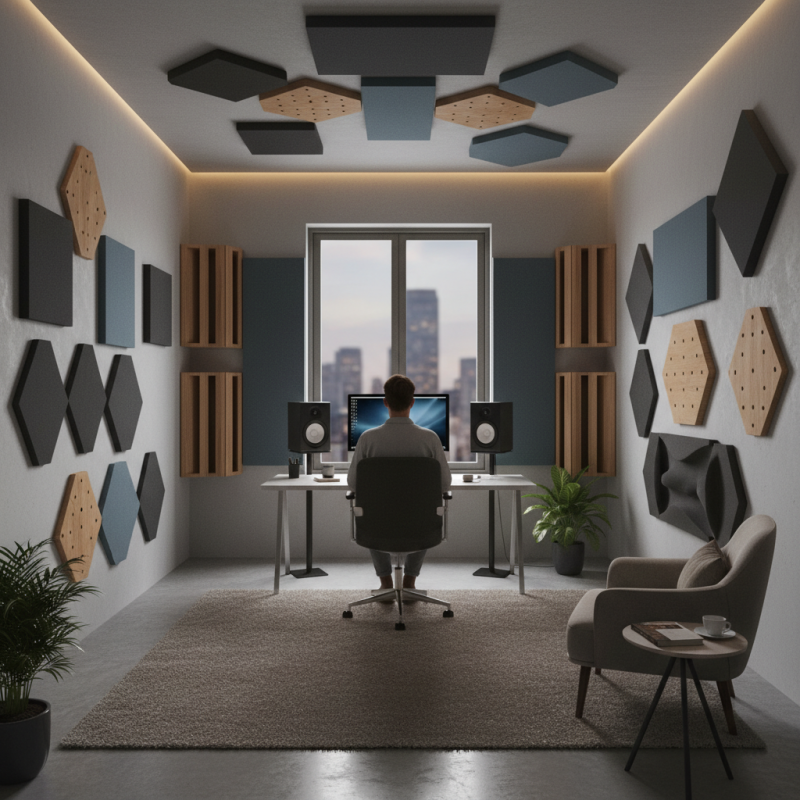
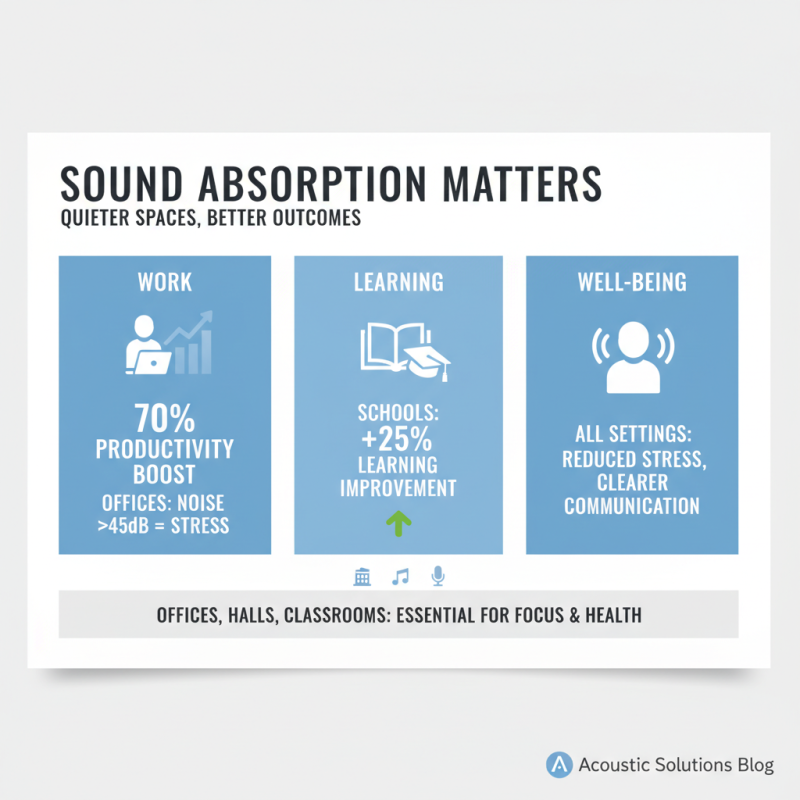
Sound absorption plays a crucial role in many environments, from busy offices to concert halls. Research shows that over 70% of employees report increased productivity in quieter spaces. Additionally, noise levels in open-plan offices often exceed recommended levels of 45 decibels. This leads to stress and communication issues. In schools, studies indicate that better sound absorption can improve student learning by up to 25%.
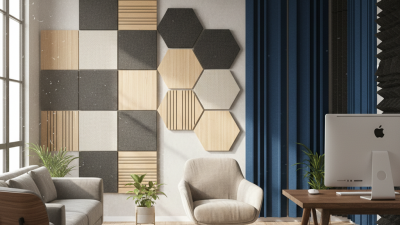
Choosing the right sound-absorbing panels is essential. When selecting panels, consider the material type and thickness. For higher frequencies, thinner panels work well. For lower frequencies, opt for thicker solutions. Look for panels with a Noise Reduction Coefficient (NRC) rating of at least 0.70 for effective sound absorption. Aesthetics also matter; color and design can complement your space while enhancing acoustics.
Evaluate your space regularly. If noise becomes disruptive, it may be time to reassess your acoustic solutions. An effective sound management strategy requires continuous improvement. Experimenting with different placements of panels can lead to better overall sound quality. Remember, a quieter environment can not only enhance work efficiency but also improve overall well-being.
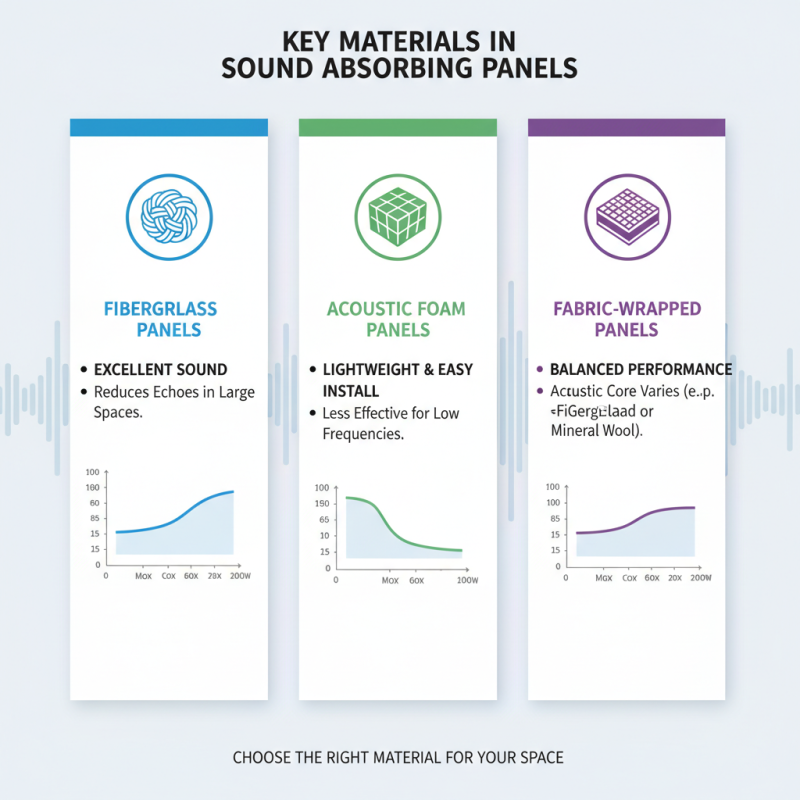
When choosing sound absorbing panels, understanding the materials is crucial. Common options include fiberglass, foam, and fabric-wrapped panels. Each material has its unique acoustic performance. Fiberglass panels provide excellent sound absorption, reducing echoes significantly in large spaces. Foam panels are lightweight and easy to install, but they may not absorb low-frequency sounds as effectively.
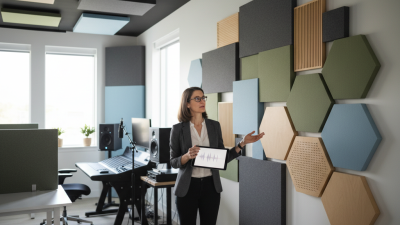
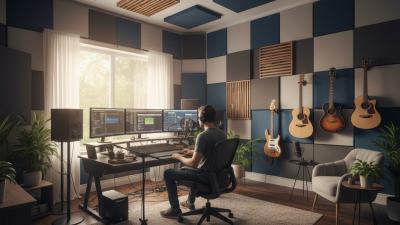
Consider the intended use of the panels. For recording studios, the focus might be on high-frequency sounds. In open offices, a balance between aesthetics and acoustic control is often necessary. Keep in mind that thicker panels usually offer better performance.
**Tips:** Look for panels with a Noise Reduction Coefficient (NRC) rating above 0.7 for optimal results. Test sample materials before making large purchases. Sometimes, visual appeal becomes a compromise; this may lead to less effective sound control. Reflect on whether looks or acoustic performance takes precedence in your space.
When selecting sound absorbing panels, understanding the Noise Reduction Coefficient (NRC) is crucial. NRC ratings indicate a panel's effectiveness at absorbing sound across different frequencies. For example, an NRC rating of 0.80 means the panel absorbs 80% of sound. Research shows that spaces with NRC values above 0.70 significantly reduce excess noise, improving acoustics. This is particularly important in busy environments like offices and restaurants.
However, not all panels perform equally. Some may have high NRC ratings in specific frequency ranges but fall short overall. It's essential to look for panels that offer balanced performance across all sound frequencies. Data from studies indicate that using a mix of panel types can enhance sound absorption in challenging areas. Evaluating each panel's acoustic performance and application context is vital before making a choice.
The journey of selecting sound absorbing panels is often filled with trial and error. Even experienced professionals sometimes discover that certain panels underperform in real-world conditions. Good decision-making involves testing and adjusting based on the specific acoustical needs of your environment.
When selecting sound absorbing panels, size and placement are crucial factors. According to a study by the National Institute of Standards and Technology, proper panel sizing can enhance sound absorption by up to 45%. Understanding your space is vital for maximizing this potential. Larger panels cover more area, but smaller panels can be strategically placed to target specific sound issues.
Placement also plays an essential role. Ideally, panels should go in areas where sound reflects most. Corners often trap sound, so corner bass traps can be effective there. The Literature Review from the Acoustical Society of America suggests placing panels at ear level, where sound interaction occurs frequently. This can significantly improve the clarity of conversations and reduce noise levels.
However, it’s important to remember that not all spaces are the same. Rooms with different materials will behave differently acoustically. A wooden floor reflects sound differently than carpet. Therefore, some trial and error may be necessary. It might take time to find the best combination of size and placement for your specific environment, leading to more nuanced results over time.
When considering sound-absorbing panels, cost-effectiveness is crucial. Investing in high-quality panels can significantly improve acoustics in various environments. According to a report by the Acoustical Society of America, reducing noise levels can enhance productivity by up to 30% in office spaces. This improvement may translate to a return on investment, justifying the initial expenditure.
Different environments require tailored solutions. For instance, commercial spaces might benefit from thicker panels that absorb lower frequencies, while residential areas could utilize lighter options. The National Institute of Standards and Technology suggests that proper absorption can lower noise distractions effectively. Cost assessments reveal that a well-implemented sound solution can reduce sound levels by 10-20 dB. This reduction can ultimately lead to a better work and living atmosphere.
However, not all inexpensive options deliver substantial results. Some lower-quality materials may only marginally reduce sound levels. Reflecting on individual needs and setting realistic expectations is essential. Assessing sound absorption against the overall renovation budget is key. While it's tempting to opt for cheaper solutions, investing in quality often pays off in the long run.