10 Tips for Buying a U Panel Machine?
Buying a U Panel Machine is a production decision, not a simple equipment purchase. The right choice affects bag strength, output stability, operator safety, and long-term operating costs. A machine may look impressive in a showroom, yet perform poorly with your actual fabric, dimensions, or filling process.
Industry packaging-machinery specialist Elena Marquez puts it clearly: “A U Panel Machine should be judged by consistent bag quality, not by brochure speed.” That principle deserves attention. Buyers should examine fabric compatibility, panel dimensions, sewing accuracy, cutting control, dust management, and sealing performance. Ask for samples made from your own material. Watch the machine during continuous operation. Short demonstrations can hide vibration, fabric slipping, or frequent adjustments.
Details matter. Check the control system, spare-parts availability, training plan, maintenance access, and response time for technical support. Compare the advertised speed with the practical speed after setup and quality checks. A cheaper machine may demand more labor, create more waste, or stop production unexpectedly. That cost appears later.
No machine is perfect. Even experienced buyers can overvalue speed and undervalue service. I would also question optimistic production figures without test records. A useful review should admit that judgment is difficult when suppliers provide incomplete data. This guide, “10 Tips for Buying a U Panel Machine,” focuses on measurable evidence, realistic production needs, and questions buyers should ask before signing an order. The goal is not to find the most complicated machine. It is to find dependable equipment that fits your materials, workforce, budget, and growth plans.
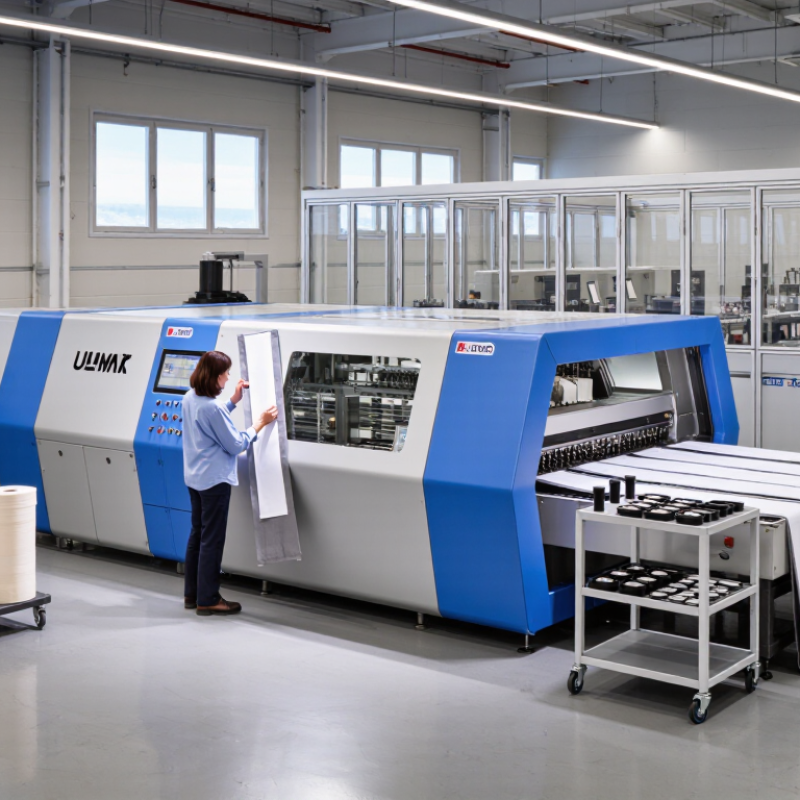
Define U-Panel Bag Specs: 500–2,000 kg SWL and ISO 21898
Before buying a U-panel bag machine, define the bag’s working requirements clearly. Specify a safe working load (SWL) between 500 and 2,000 kg, depending on the material, filling density, and handling method. Do not treat SWL as the bag’s total breaking strength. It describes the approved load during normal use. Small details matter. Record bag length, width, height, fabric weight, loop position, filling inlet size, and discharge outlet design.
ISO 21898 should guide the specification and inspection process. Ask whether the machine can produce consistent seams, reinforced corners, and accurately positioned lifting loops. These parts carry serious stress during lifting. Confirm the required safety factor, fabric strength, seam efficiency, and testing method with a qualified engineer. Request sample bags, seam test results, and dimensional records before accepting the equipment. A clean-looking sample is not enough.
Machine capacity must match production reality. Check sewing speed, fabric feeding stability, loop attachment accuracy, dust control, and operator access. A machine designed for 500 kg bags may not handle 2,000 kg construction without changes. That mistake can create weak seams or uneven loading. In practice, early specifications are rarely perfect. Recheck them after reviewing real filling trials, because fabric flexibility and powder flow can change the final bag shape. Reliable suppliers should explain limitations clearly, not promise every result.
10 Tips for Buying a U-Panel Machine: Define U-Panel Bag Specs
U-panel FIBCs are commonly specified by their Safe Working Load (SWL). This chart presents practical SWL reference points from 500 kg to 2,000 kg for bag-machine planning. Confirm the final design, testing, labeling, and handling requirements against ISO 21898 and the intended filling, lifting, storage, and transport conditions.
Select the machine configuration according to the required bag body size, fabric construction, lifting-loop design, discharge options, and target SWL. The SWL values shown are specification reference points, not a replacement for certified product testing.
Match Machine Capacity to Output Targets and 5:1–6:1 Safety Factors
When buying a U panel machine, start with the panel count you must produce, not the advertised maximum speed. Record daily demand, panel length, material thickness, changeover time, and expected scrap. Then calculate net running time against the required output. A machine making 12 panels per minute may deliver far less during short batches. Real production is messier.
Capacity should also match the forming load, motor duty, tooling size, and coil weight. Ask for tested data using your actual steel grade, thickness, width, and profile depth. Do not treat a 5:1 or 6:1 safety factor as extra production capacity. That ratio usually applies to specified load-bearing or lifting components. Working load equals failure load divided by the selected factor. Have an engineer confirm the application. Loads, fatigue, impact, and local standards matter.
For example, if a support component could fail at 6,000 kilograms, a 6:1 factor limits its working load to 1,000 kilograms. This example cannot replace the machine’s rated specifications. Check emergency stops, guards, overload protection, frame deflection, and maintenance access before purchase. I have seen capacity estimates fail because operators counted ideal runtime. I also underestimated setup losses once. Leave measurable headroom, then challenge every assumption with a production trial or documented test.
Check CE Compliance, Service Support, Spare Parts, and Total Cost
Buying a U Panel Machine? Check CE Compliance, Service Support, Spare Parts, and Total Cost
A low purchase price can hide expensive problems. Check CE compliance before comparing machine features. Ask for the Declaration of Conformity and verify the applicable safety requirements. Do not accept a CE logo alone. Review electrical diagrams, guarding details, emergency stops, and test records. A qualified technician should explain how the machine meets current requirements.
Service support matters when production stops at 4 p.m. Ask about installation, operator training, remote diagnosis, and response times. Get these details in writing. A clear service process is more reliable than friendly sales promises. Request references from users with similar panel sizes and production volumes. Their experience may reveal delays that brochures never mention. Small details matter.
Spare parts can decide whether a repair takes hours or weeks. Request a recommended parts list, prices, and expected delivery times. Include sensors, heaters, blades, belts, controllers, and common electrical components. Check whether local technicians can replace them safely. I have seen buyers focus too heavily on the machine price. That choice looked efficient at first. Later, freight, downtime, software support, and special tooling changed the calculation. Prepare a five-year cost estimate covering energy, labor, maintenance, training, and replacement parts. Leave room for unexpected repairs. Your estimate will not be perfect. It should still expose costly assumptions.