
Please ensure Javascript is enabled for purposes of website accessibility

What is Sound Proof Panels and How Do They Work?

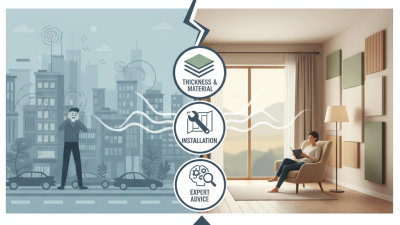
Sound proof panels are essential in modern design and architecture. They address noise problems in various environments, from homes to offices. These panels enhance sound quality and improve privacy. By reducing unwanted sound, they create a more serene atmosphere.

Understanding how sound proof panels work is crucial. They employ materials that absorb sound waves. This absorption prevents echoes and minimizes noise pollution. Many people may not fully grasp their importance until they experience the difference in sound quality.

While sound proof panels offer benefits, they are not a complete solution. Installation and effectiveness can vary. It's important to consider the specific needs of a space to choose the right product. Some might find that the aesthetics do not meet their taste. Reflecting on these details can lead to better informed decisions.

What is Sound Proof Panels and How Do They Work?

What Are Sound Proof Panels?

Soundproof panels are specifically designed to reduce sound transmission in various environments. They serve as effective barriers against unwanted noise, making them popular in homes, offices, and recording studios. These panels can be made from various materials, including foam, wood, and fabric. Each material has unique acoustic properties that can absorb, reflect, or block sound waves.

Choosing the right soundproof panel involves understanding what you want to achieve. Consider the space and the type of noise you encounter. A room with hard surfaces may require thicker panels for optimal sound absorption. If you're uncertain about the size or material, start with smaller samples to see how they fit your needs.

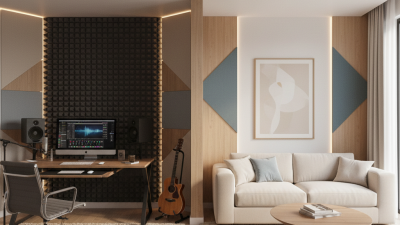
Design is also crucial. Aesthetics matter. You can find panels in various colors and styles to match your interior. Experiment with placement to identify the best configuration for reducing noise. Sometimes, traditional designs might not work. Assess your environment and be open to trying unconventional placements.

Measure your space carefully. Not all areas are the same. You might find that one panel works better in one corner than another. Take time to evaluate the acoustics of your room after installing panels. Understanding how they function in your space will help you fine-tune their effectiveness.

Types of Sound Proof Panels Available

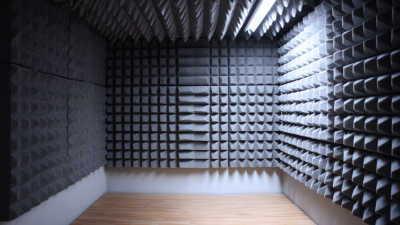
Soundproof panels come in various types, each designed to address different acoustic needs. One popular option is foam panels. These lightweight panels are often used in recording studios and home theaters. They reduce sound reflections and absorb excess noise. Available in various shapes and sizes, foam panels are affordable and easy to install. However, they may not block all sounds effectively.

Fabric-wrapped panels are another type, providing both aesthetic appeal and functionality. They consist of a lightweight core covered with fabric. These panels are often found in offices and auditoriums. They can absorb sound while blending seamlessly into the decor. While they may offer a more polished look, they might require professional installation, which can add to overall costs.

Another noteworthy category is mass-loaded vinyl panels. These dense materials are designed to block sound transmission between spaces. They are ideal for walls, ceilings, and floors. Though they are effective, their heaviness can complicate installation. It’s essential to evaluate your needs and the space's characteristics before choosing the right panel. Each type has its strengths and weaknesses, prompting careful consideration of your soundproofing goals.

How Sound Proof Panels Work

Soundproof panels are essential in managing soundscapes in various environments. These panels reduce noise by absorbing sound waves, preventing echoes and the transmission of unwanted noise. According to a report by the Acoustical Society of America, effective soundproofing can reduce noise levels by 75% in certain settings. This statistic highlights the panels' importance in commercial spaces, recording studios, and even residential areas.

The mechanism behind soundproof panels involves materials with specific properties that enhance sound absorption. Many panels are made from dense materials like fiberglass, foam, or mineral wool. These substances have the ability to disrupt sound wave patterns. In practice, sound waves hit the panel's surface and lose energy, leading to a quieter environment. Research from the National Institute of Standards and Technology shows that sound absorption can vary based on frequency, making panel placement crucial for optimal results.

While soundproof panels are effective, their installation and design require consideration. Incorrect placement can lead to inadequate noise reduction. Homeowners often overlook this, resulting in unanticipated sound leakage. Therefore, thoughtful placement and the right panel choice are vital for achieving desired soundproofing outcomes. Balancing aesthetics with functionality can be challenging, illustrating the need for expert guidance in soundproofing projects.

Applications of Sound Proof Panels in Different Spaces

Sound proof panels play a critical role in diverse environments. In commercial settings, they help reduce noise in offices, enhancing productivity. By absorbing sound waves, these panels create a quieter atmosphere. They are particularly effective in open spaces that often suffer from distracting echoes.

In residential areas, sound proof panels serve various purposes. Home theaters benefit significantly from their installation, providing an immersive audio experience. These panels also help minimize noise between rooms, promoting peace and privacy. In bedrooms, they can shield sound from outside disturbances. However, achieving complete soundproofing can be challenging. Homeowners may still encounter noise issues, reminding them to evaluate panel placement and material quality.

Public spaces also utilize sound proof panels effectively. Restaurants and cafés implement them to create a pleasant dining experience. However, busy venues might still feel noisy, pointing to the need for ongoing adjustments. Schools employ these panels to improve learning environments. Yet, kids' energetic activities can still produce sound challenges, necessitating a balance of design and function. Managing acoustics is an ongoing process, requiring constant reflection and adaptation.

What is Sound Proof Panels and How Do They Work? - Applications of Sound Proof Panels in Different Spaces

Application Area Type of Sound Proof Panel Material Used Effectiveness
Home Theaters Acoustic Panels Fabric Wrapped Fiberglass High Noise Reduction
Recording Studios Sound Absorption Panels Mineral Wool Very High Noise Isolation
Offices Soundproofing Panels Polyester Medium Noise Reduction
Schools Acoustic Wall Panels Plywood with Foam Medium to High Noise Control
Concert Halls Specialized Acoustic Panels Wooden Laminate High Sound Clarity

Installation and Maintenance of Sound Proof Panels

Soundproof panels are an effective solution for reducing noise in various spaces. Installing these panels requires careful consideration of several factors. Depending on the area, you may need different sized panels. Measure your walls or ceilings accurately before purchasing.

The installation process is straightforward, but attention to detail is essential. Start by cleaning the surfaces where you’ll apply the panels. Use a strong adhesive or mounting hardware that suits your panel type. Ensure perfect alignment for a polished look and optimal performance. After installation, check for gaps or imperfections. These areas can compromise soundproofing effectiveness.

Maintenance is another aspect that shouldn’t be overlooked. Regularly inspect the panels for wear and tear. Dust or clean them according to the manufacturer’s guidance. If panels show signs of damage, replace them promptly. This helps maintain both appearance and functionality. Remember, investing time in proper installation and maintenance pays off in a quieter environment.

Sound Proof Panels Performance Analysis

This bar chart illustrates the sound reduction capabilities of different types of sound proof panels, measured in decibels (dB). Each panel type offers varying levels of performance, crucial for environments requiring sound insulation.