
Please ensure Javascript is enabled for purposes of website accessibility

What Is a Sound Baffle and How Does It Work?

In a busy room, sound can bounce from ceilings, walls, and hard floors for several seconds. Conversations then overlap, voices lose clarity, and background noise feels unusually tiring. Sound baffles offer a practical way to control this problem without rebuilding the entire space. They are suspended acoustic panels designed to absorb reflected sound, especially in rooms with high ceilings and many hard surfaces.

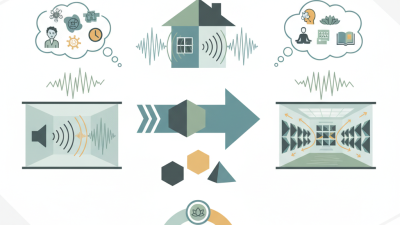
Their operation is straightforward but not simplistic. When sound waves reach a baffle, porous materials inside the panel convert part of their energy into small amounts of heat. The remaining reflections become weaker. By reducing reverberation, baffles can make speech easier to understand in offices, classrooms, restaurants, studios, and industrial facilities. Placement matters greatly. Panels installed above a noisy workstation may perform differently from panels spread evenly across a ceiling.

A reliable acoustic plan considers room size, ceiling height, surface materials, occupancy, and the dominant noise frequencies. Measurements, such as reverberation time and speech intelligibility, provide stronger guidance than appearance alone. Attractive panels can still perform poorly when they are too thin, too widely spaced, or badly positioned. They are not a complete cure-all. That distinction matters. Good design combines sound baffles with sensible room layouts, quieter equipment, and other absorption surfaces. Results may also vary after furniture, people, or machinery change. A careful review remains necessary.
What Is a Sound Baffle and How Does It Work?

Definition and Purpose of a Sound Baffle

What Is a Sound Baffle and How Does It Work?

A sound baffle is a suspended acoustic panel designed to reduce reflected noise. It usually hangs from a ceiling or overhead structure. The panel contains porous materials that absorb part of the sound energy. This action shortens reverberation and improves speech clarity. Its purpose is not to block every sound. Instead, it helps control noise inside a room.

In practical room assessments, baffles work well in offices, classrooms, studios, and busy halls. They are especially useful where hard surfaces create echoes. A suspended panel can absorb sound from both sides, unlike a wall panel with one exposed face.

Placement matters. Poor spacing may leave loud reflection paths untouched. A professional assessment should consider ceiling height, room volume, occupancy, and existing finishes. Measurements are useful, but listening in the actual space still matters. Numbers can miss an irritating echo.

Tips: Install baffles above the main noise zone. Leave space between panels for broader absorption. Use enough coverage, but avoid guessing. Check the room after installation, because the first arrangement may not be ideal.

A baffle cannot solve every acoustic problem. Low-frequency noise may require thicker treatment or additional control methods. It also will not stop sound traveling through walls or doors. This limitation is easy to overlook. A careful design uses baffles for reverberation control, not as a complete soundproofing system. Rechecking the room after furniture changes is sensible. Acoustic performance can shift more than expected.

How Sound Baffles Absorb, Block, and Redirect Noise

A sound baffle is a suspended acoustic panel that manages noise above an occupied space. Its porous core converts part of sound energy into small amounts of heat. This reduces reflections from hard ceilings, lights, and exposed ducts. Absorption works best when panels have open air around their surfaces. A tight installation can reduce performance.

ASTM C423 test reports commonly list the Noise Reduction Coefficient, or NRC, for acoustic materials. An NRC of 0.75 suggests strong mid-frequency absorption, but it does not mean every sound is reduced by 75 percent. Low-frequency noise may still pass through. Room shape matters.

Baffles can also redirect noise. Angled or spaced panels break up direct reflections and send sound toward less sensitive areas. They do not truly block sound. Blocking requires mass, airtight joints, and separated construction. A thin hanging panel cannot stop speech passing through a wall.

The WHO Environmental Noise Guidelines for the European Region recommend road-traffic exposure below 53 dB Lden and night exposure below 45 dB Lnight. These figures describe environmental exposure, not baffle performance. In practice, I would measure reverberation time before choosing panel quantity. ISO 3382 provides the recognized method for measuring this room response. A useful design can still disappoint when placement ignores microphones, ceiling height, or occupied seating. That limitation deserves honest attention.

Main Types and Materials Used in Sound Baffle Design

What Is a Sound Baffle and How Does It Work?

A sound baffle is a suspended panel that absorbs unwanted noise in open rooms. It reduces reflected sound from ceilings, walls, and hard floors. Unlike a solid barrier, it does not fully block sound transmission. Its main purpose is controlling reverberation, speech clarity, and overall acoustic comfort.

Common designs include vertical hanging baffles, horizontal ceiling clouds, curved panels, and louvered systems. Vertical baffles expose both sides to the room, increasing the available absorption area. Ceiling clouds sit above busy zones, such as meeting tables or cafeteria seating. Curved and angled forms can manage sound in rooms with unusual layouts. Shape matters more than many people expect.

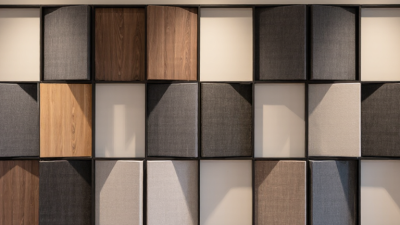
Material selection affects performance, appearance, and durability. Fiberglass and mineral wool usually provide strong mid- and high-frequency absorption when covered with acoustic fabric. Polyester felt offers a lightweight, flexible option for offices and learning spaces. Perforated wood adds a warmer visual character, while microperforated metal can suit demanding environments. Foam is useful in selected applications, but it may perform poorly at lower frequencies without careful design.

A panel’s absorption rating is helpful, but it never tells the whole story. Room volume, spacing, mounting height, and background noise also influence results. In practice, a beautifully rated baffle can disappoint when installed too sparsely. I would measure the room, observe its busiest areas, and test a small section before approving a full installation. Acoustic design is precise, but not perfectly predictable.

What Is a Sound Baffle and How Does It Work?

Typical Noise Reduction Coefficient (NRC) values for common sound-baffle materials

Sound baffles are suspended or vertically mounted acoustic panels that absorb sound energy and reduce reverberation. NRC is a dimensionless rating from 0 to 1 used to describe average sound absorption at selected mid-range frequencies. The values shown are representative ranges for commonly used constructions; thickness, air gaps, mounting method, and surface finish can significantly affect performance.

Where Sound Baffles Are Installed and Why

What Is a Sound Baffle and How Does It Work?

Where Sound Baffles Are Installed and Why

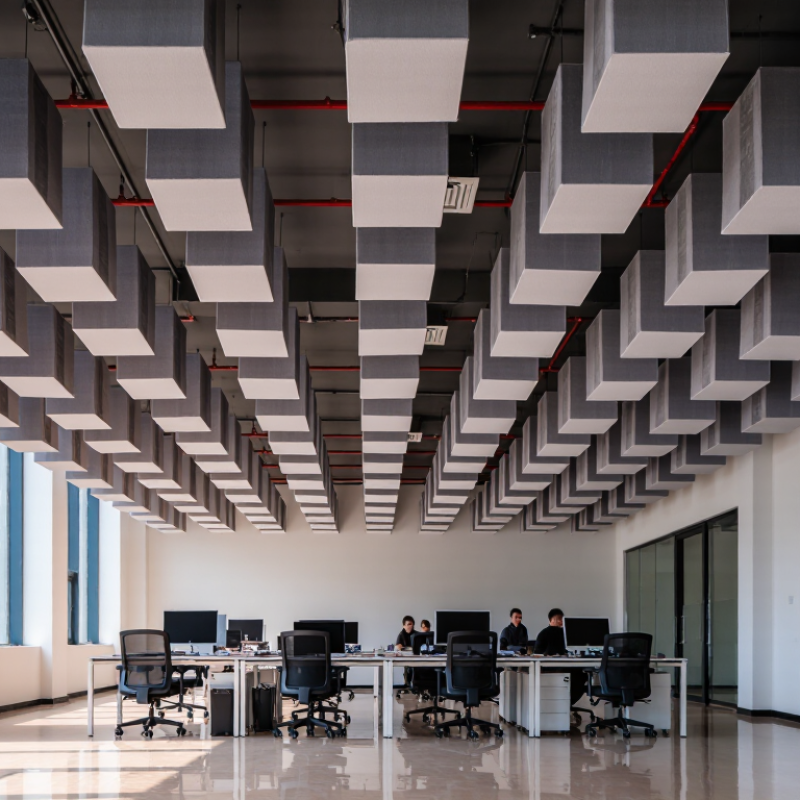
Sound baffles are usually installed in large rooms with hard, reflective surfaces. Common locations include open-plan offices, classrooms, restaurants, gyms, swimming pools, and manufacturing areas. They hang vertically from ceilings or sit above noisy work zones. Their porous cores absorb reflected sound, while their exposed faces increase the room’s effective absorption area. The goal is not silence. It is a shorter, calmer acoustic path.

The ISO 3382 standards measure reverberation time in rooms, helping designers evaluate whether speech remains clear. ISO 11654 also classifies sound-absorbing products by measured performance. In practice, baffles work best when placed above desks, machines, or conversation areas. A ceiling-only solution may leave strong reflections from walls and floors. That mistake is common.

NIOSH identifies 85 dBA over an eight-hour workday as a recommended exposure limit. Baffles cannot replace hearing protection or machinery controls when noise is hazardous. They mainly reduce reflected energy and improve communication. The World Health Organization’s 2018 environmental noise guidance also connects excessive noise with sleep and health concerns, though its limits are not direct indoor-baffle targets. Designers should verify room dimensions, occupancy, and measured reverberation before choosing panel quantity. More panels are not always better. Sometimes, placement matters more.

What Is a Sound Baffle and How Does It Work? - Where Sound Baffles Are Installed and Why

A sound baffle is a sound-absorbing panel suspended vertically or horizontally from a ceiling. Its porous or fibrous core converts part of the sound energy into a small amount of heat, reducing reflected sound, reverberation, and overall noise buildup inside a room.

Installation Environment Common Acoustic Problem Recommended Baffle Placement How the Baffles Work Typical Design Considerations Main Acoustic Benefit Important Limitation
Open-plan offices Speech reflections from hard ceilings and work surfaces can increase distraction and reduce speech privacy. Install vertically or in clouds above workstations, collaboration areas, and circulation paths. Absorbs reflected speech energy before it repeatedly travels between the ceiling, floor, and surrounding walls. Use above occupied zones Maintain sprinkler clearance Coordinate with lighting Lower reverberation and improved speech clarity at nearby distances. Does not block direct speech or replace enclosed rooms, partitions, or sound-masking systems.
Classrooms and lecture rooms Long reverberation can make teachers and students difficult to understand, especially at the rear of the room. Place baffles over the main listening area and use additional wall absorption where needed. Reduces delayed reflections that overlap with direct speech and interfere with consonant clarity. Prioritize speech frequencies Avoid obstructing projectors Use durable coverings Better speech intelligibility and less vocal strain for speakers. Ceiling baffles alone may not control low-frequency noise from mechanical equipment or adjacent rooms.
Restaurants and cafés Hard floors, glass, tables, and exposed ceilings create high reverberation and a noisy dining environment. Suspend baffles above dining areas, preferably distributed across the dominant reflection paths. Absorbs sound reflected from the ceiling and reduces the accumulation of many simultaneous conversations. Cleanable surface Moisture-resistant finish Coordinate with ventilation Improved conversational comfort and reduced overall perceived loudness. It will not eliminate noise from kitchen equipment, music systems, or nearby tables.
Gymnasiums and sports halls Large volumes and reflective surfaces produce long reverberation and loud, persistent crowd noise. Use robust vertical baffles high above activity areas, often in repeated rows or arrays. Increases the total sound-absorbing area without using valuable wall or floor space. Impact-resistant construction Secure suspension High-level maintenance access Shorter reverberation time and clearer announcements or instructions. Installation must account for balls, sports equipment, air movement, and structural loading.
Factories and production areas Machinery noise reflects from ceilings and walls, increasing the sound level experienced by workers. Install baffles above noisy equipment or in ceiling zones where reflected sound is concentrated. Absorbs reverberant energy and limits repeated reflections between large hard surfaces. Fire-rated materials Resistant to dust and vibration Do not obstruct services Reduced reverberant contribution and improved communication in the work area. They do not substitute for machine enclosures, isolation mounts, barriers, or hearing protection.
Airports and transport terminals Large concourses with glass, metal, and concrete surfaces can make announcements difficult to understand. Use large suspended arrays in ceilings or overhead zones while preserving passenger movement and visibility. Controls reflections that arrive after the direct announcement, reducing acoustic smearing. Lightweight construction Smoke-control compliance Clearance for signage Improved public-address intelligibility and greater acoustic comfort. Design must also address crowd noise, HVAC noise, security requirements, and fire-safety regulations.
Swimming pools and aquatic centers Tile, glass, water, and concrete create highly reflective conditions and prolonged reverberation. Install moisture-resistant baffles above deck areas, away from splash zones when possible. Absorbs reflected sound while using ceiling volume that is otherwise acoustically inactive. High humidity resistance Corrosion-resistant hardware Washable finish Reduced reverberation and clearer communication between staff and visitors. Materials and suspension systems must be selected for persistent humidity and chemical exposure.
Auditoriums and multipurpose halls Different activities require control of excessive reflections without making the room acoustically dead. Use adjustable, movable, or zoned baffles where changing room use requires different acoustic conditions. Provides controllable absorption that can be adapted for speech, meetings, performances, or events. Variable positioning Balanced absorption Coordinate with stage systems More flexible reverberation control and improved speech or program clarity. Excessive absorption can reduce useful support for music, so the quantity and location should be acoustically designed.
Recording, broadcast, and media rooms Uncontrolled reflections can create coloration, flutter echo, and inconsistent monitoring conditions. Position baffles above the recording or mixing area and combine them with wall and corner treatment. Reduces ceiling reflections reaching microphones or listeners and helps control early reflections. Broadband absorption Controlled spacing Avoid over-damping More controlled recording and monitoring conditions. Ceiling baffles alone cannot provide complete low-frequency control or sound isolation between rooms.
Libraries and quiet study areas Speech, footsteps, and chair movement can remain audible because of hard ceilings and open layouts. Install low-visual-impact baffles above reading tables and shared circulation areas. Reduces ceiling reflections and helps prevent sound from spreading across the open room. Low visual contrast Dust-resistant finish Uniform coverage Lower background reverberation and improved concentration. Direct sounds such as footsteps and conversations still require behavioral control, carpeting, furniture, or partitions.
Healthcare facilities Corridors, waiting areas, and treatment spaces may have hard, reflective finishes for hygiene and durability. Use cleanable, appropriately rated baffles in waiting rooms, circulation areas, and suitable treatment zones. Absorbs sound energy in spaces where extensive wall fabric or porous floor finishes may be unsuitable. Cleanable surface Low particle shedding Hygiene compliance Reduced reverberation and improved speech privacy within the treated area. Sound transmission through doors, walls, ceilings, and mechanical systems requires separate privacy measures.
Retail stores and showrooms Hard display fixtures and open ceilings can increase reflected music, announcements, and customer noise. Distribute baffles above customer zones while coordinating with lighting, signs, and fire protection. Absorbs sound from the ceiling plane and reduces repeated reflections around merchandise displays. Aesthetic integration Low-maintenance finish Flexible layout More comfortable sound levels and clearer staff-customer communication. Acoustic treatment should not interfere with visibility, sprinklers, lighting, or smoke-control systems.
Key technical facts: Sound baffles primarily control reverberant sound inside a room; they are not soundproof barriers. Their effectiveness depends on the exposed absorptive area, material performance, air gaps, spacing, ceiling height, and the room’s existing surfaces. Porous baffles generally absorb mid- and high-frequency sound more effectively than very low-frequency sound, so low-frequency problems may require thicker treatment, tuned absorbers, equipment isolation, or room-specific acoustic design.

Factors That Affect Sound Baffle Performance

What Is a Sound Baffle and How Does It Work?

A sound baffle is a suspended acoustic panel that reduces reflected sound from ceilings and other hard surfaces. It absorbs part of the sound energy instead of allowing it to bounce across a room. Performance depends heavily on the panel’s exposed surface area, thickness, density, and spacing. A thin panel may control mid-frequency speech, but it often performs poorly against low-frequency noise. That limitation is easy to miss.

Installation height also matters. Panels suspended with air gaps usually expose more absorbing surface than panels fixed directly to a ceiling. The room’s volume, ceiling height, and background noise create further differences. According to ASTM C423 testing, acoustic absorption is reported by frequency, while the Noise Reduction Coefficient averages performance near common speech frequencies. One number cannot describe every listening condition.

Material selection should match the problem. Fibrous absorbers often work well for speech reverberation, while thicker assemblies are more useful for lower frequencies. The 2018 World Health Organization Environmental Noise Guidelines recommend indoor bedroom noise below 30 dB(A) at night for good sleep, showing how demanding quiet environments can be. A baffle may reduce reverberation without meaningfully lowering noise from machinery or traffic. Field results can also differ from laboratory data because of gaps, airflow, dust, and poor placement. Real rooms are rarely as cooperative as test chambers. Measuring reverberation time before and after installation, preferably under ISO 354 methods, provides a more reliable performance check.