

Please ensure Javascript is enabled for purposes of website accessibility

How to Create an Indoor Living Wall for Your Space?

Creating an Indoor Living Wall can transform any space into a vibrant oasis. Renowned landscape designer Patrick Blanc once said, “Living walls can bring a piece of nature into our homes.” His expertise underscores the beauty and benefits this idea offers.

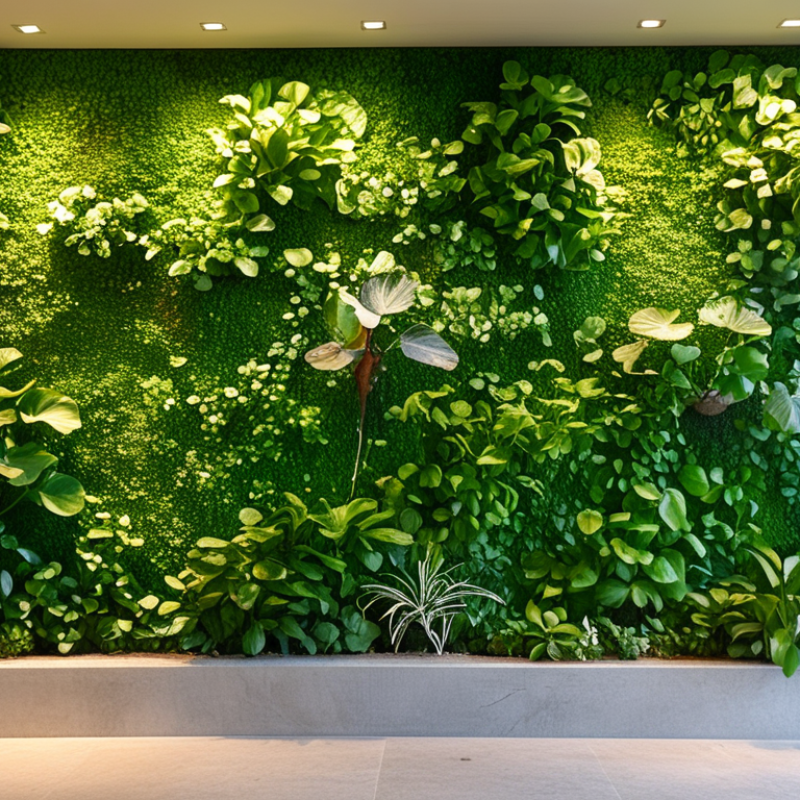
An Indoor Living Wall not only enhances aesthetics but also improves air quality. Imagine lush greenery thriving on your walls, showcasing various plants in a harmonious display. This unique installation can make a room feel fresh and inviting. However, crafting such a wall requires thoughtful planning and execution. Not every plant thrives together, so careful selection is crucial.

Maintenance may also present challenges. It’s essential to ensure proper irrigation and lighting for the plants. Regular care is key to preventing plant issues. Don't be discouraged by initial setbacks; learning from them can lead to a thriving Indoor Living Wall. Embrace the journey, and let nature beautify your space.
How to Create an Indoor Living Wall for Your Space?

Choosing the Right Location for Your Indoor Living Wall

Choosing the right location for your indoor living wall is crucial. Natural light is essential. Most plants thrive in bright, indirect sunlight. An ideal spot is near a window. However, too much direct sunlight can scorch some plants. According to a study by the American Society of Landscape Architects, about 60% of indoor plants prefer light conditions that mimic their native environments.

Consider humidity levels in your chosen area. Living walls often need higher humidity to flourish. Kitchens and bathrooms can provide this climate naturally. However, ensure there is proper air circulation. Stagnant air can lead to mold growth. Research indicates that maintaining optimal humidity can improve plant health and longevity.

Lastly, accessibility matters. You should easily reach your living wall for maintenance. Watering and pruning become chores if the wall is hard to access. Think about visibility as well. A well-placed wall enhances aesthetics and offers various psychological benefits. Studies show that indoor greenery can reduce stress levels by 30%. Keep these factors in mind to successfully create your indoor living wall.

Selecting Suitable Plants for Your Indoor Living Wall

Creating an indoor living wall begins with plant selection, crucial to ensure both aesthetics and health. Ideal plants for this type of setup thrive in varying light conditions. Ferns, for example, excel in low light, while succulents thrive in bright spaces. Opt for a mix of textures and colors to create visual appeal.

When choosing plants, consider growth habits. Some plants grow vigorously and may require regular pruning. Others are slow-growing and need less maintenance. Researching each plant's needs is essential. For instance, a peace lily can help purify the air, but it prefers consistent moisture. This factor may complicate care.

Placement is also vital. Arrange plants according to their light needs. Plants requiring similar care can be grouped. An imperfect arrangement may even add character. Irregularities can invite creativity, leading to a more personalized living wall. Regular assessment of plant health is necessary. This helps you adapt to changing conditions, ensuring your living wall remains vibrant and thriving.

Designing the Structure and Framework for Your Living Wall

Designing a living wall requires thoughtful planning. This is crucial for plant health. A report by the American Society of Landscape Architects highlighted that well-structured vertical gardens can improve indoor air quality by as much as 60%.

When creating the framework, choose durable materials. Wood is aesthetic but may require maintenance. Metals like aluminum are weather-resistant and long-lasting. Experts recommend a modular system for easy maintenance. Ensure it allows for drainage, reducing the risk of plant diseases.

**Tip:** Incorporate a diverse selection of plants. This not only creates visual interest but also enhances air purification. Select plants suited to your space’s light levels.

A well-designed living wall can transform any indoor environment. Do remember that every installation may face challenges. Monitor lighting, humidity, and water levels to ensure thriving plants. It's essential to remain open to adjustments as the living wall matures.

Installing the Irrigation System for Optimal Plant Health

Creating a living wall indoors can enhance your space dramatically. However, to ensure optimal plant health, installing an effective irrigation system is crucial. A well-planned system keeps plants hydrated and thriving.

Consider a drip irrigation setup. It delivers water directly to the roots, minimizing waste. Think about incorporating a timer. This feature automates watering schedules, making maintenance easier. Regularly check for clogs, as they can disrupt water flow.

Don’t forget about drainage. Uneven moisture can harm plant roots. Use lightweight pots with holes. This allows excess water to escape, preventing root rot. Adjust your system based on plant types; some need more moisture, while others prefer dry conditions. Your plants will thank you for the attention.

Maintaining Your Indoor Living Wall for Long-Lasting Beauty

Maintaining an indoor living wall requires attentiveness and care. A consistent watering schedule is vital. It's easy to forget about some plants in the wall's depth. Consider using a moisture meter for accuracy. Ensure each plant receives enough light, too. Some sections may not get equal sunlight, leading to uneven growth.

Regular pruning prevents overgrowth and keeps the wall looking sharp. Each plant has its own growth habit, and understanding them is essential. Don't be afraid to reshape or remove plants that don't thrive. This may feel daunting, but it's necessary to uphold the wall's overall appeal.

Watch for pests and diseases, as they may sneak in. Regularly checking the leaves can help catch issues early. A healthy living wall is more than just aesthetics; it's about creating a balanced environment. If a plant starts to struggle, reflect on the conditions it’s in. Adjusting light, water, or nutrients can make a big difference. Remember, it's a learning process.