
Please ensure Javascript is enabled for purposes of website accessibility

How to Choose the Best Acoustic Tiles for Your Space?

Choosing the right acoustic tiles is essential for creating a balanced sound environment. As John Mitchell, an expert in acoustic solutions, once stated, "The right tiles can transform any space into an auditory delight." This emphasizes the significance of selecting high-quality acoustic tiles tailored to individual needs.

Different spaces require different acoustic treatments. Factors like room size and purpose must be considered. High ceilings often reflect sound, while smaller rooms may need more absorption. Visual appeal also matters. The aesthetic of your acoustic tiles should align with your overall design. Not all tiles are created equal, and the market is flooded with options, making the selection process quite daunting.

It's easy to feel overwhelmed. Researching can feel like a never-ending task. You'll face contradictions from various sources. Relying on expert recommendations can help navigate these decisions. It’s crucial to balance aesthetics with functionality. In the end, the best acoustic tiles enhance not just sound, but also the atmosphere.
How to Choose the Best Acoustic Tiles for Your Space?

Factors to Consider When Choosing Acoustic Tiles for Your Space

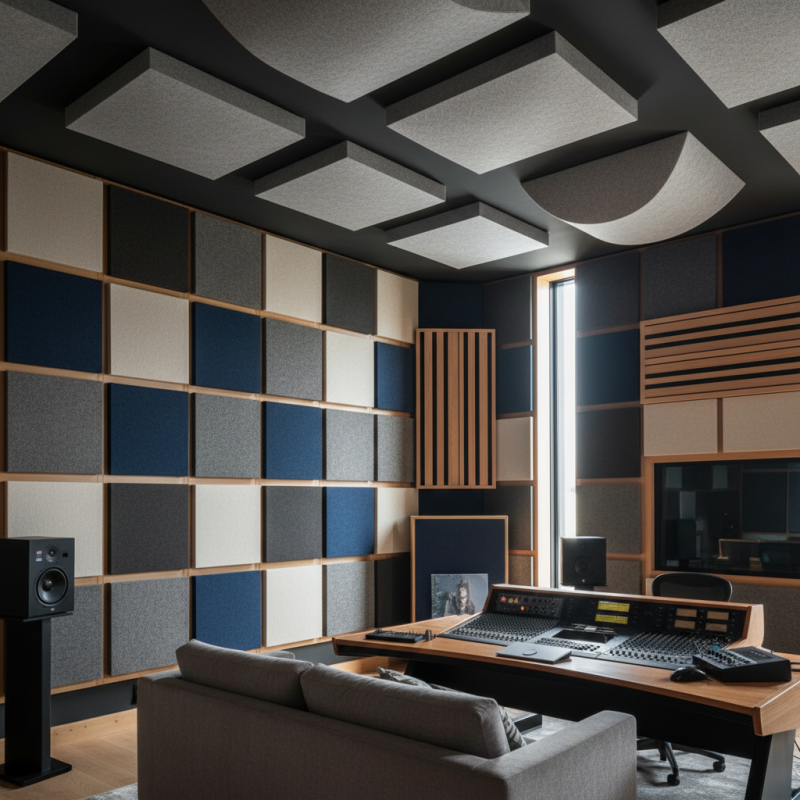
Choosing the best acoustic tiles for your space involves several key factors. First, consider the room's purpose. A music studio may demand higher sound absorption than a hallway. Reflect on how sound travels in your environment. Calculate the square footage to determine the amount of tile needed.

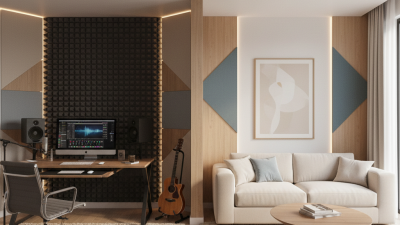
Material is another crucial element. Foam tiles offer flexibility and are lightweight, while mineral fiber tiles may provide better fire resistance. Assess the aesthetics too. The color and texture should complement your existing decor. A well-chosen tile can enhance your space's visual appeal.

Tips: Always test samples in your space. This helps gauge how the tiles perform in your specific acoustics. Don’t shy away from mixing different materials. Combining tiles can lead to unique sound qualities. Consider consulting with an expert to guide your selection. Their insights can refine your choices for optimal results.
Acoustic Tiles Comparison by Sound Absorption Coefficient

Understanding NRC Ratings: Evaluating Sound Absorption Capabilities

How to Choose the Best Acoustic Tiles for Your Space?

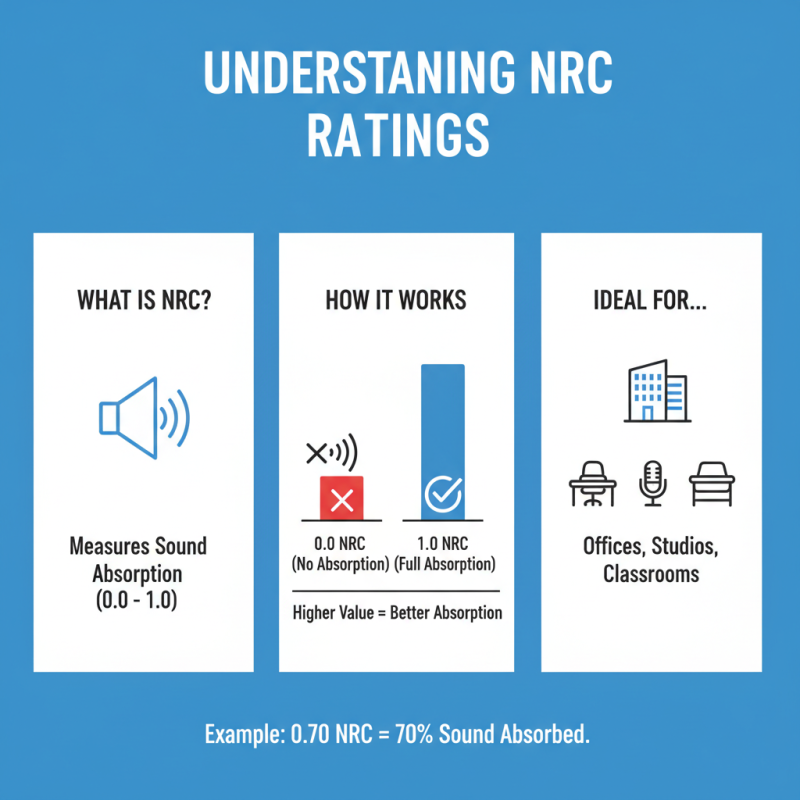
When selecting acoustic tiles, understanding NRC (Noise Reduction Coefficient) ratings is essential. NRC measures how well a material absorbs sound, providing insight into its effectiveness in reducing noise. Generally, NRC values range from 0.0 to 1.0, with higher values indicating better sound absorption. For example, a tile with an NRC of 0.70 absorbs 70% of sound waves, making it suitable for spaces that require quieter environments, like offices and studios.

When assessing NRC ratings, consider the specific needs of your space. A higher NRC rating is preferable for crowded areas to minimize echo and distractions. However, in a space that needs some level of sound reflection, a lower NRC might be beneficial. Remember to evaluate other factors, such as material type and thickness, which can further influence sound absorption performance.

Tip: Conduct a sound test in your space before installation. This can help you understand the acoustics better. Additionally, consult with experts to ensure the chosen tiles meet your specific sound insulation needs. Be open to adjusting your choices based on acoustic tests; sometimes, the perfect fit isn't what you initially thought.

Different Types of Acoustic Tiles: Materials and Their Benefits

How to Choose the Best Acoustic Tiles for Your Space?

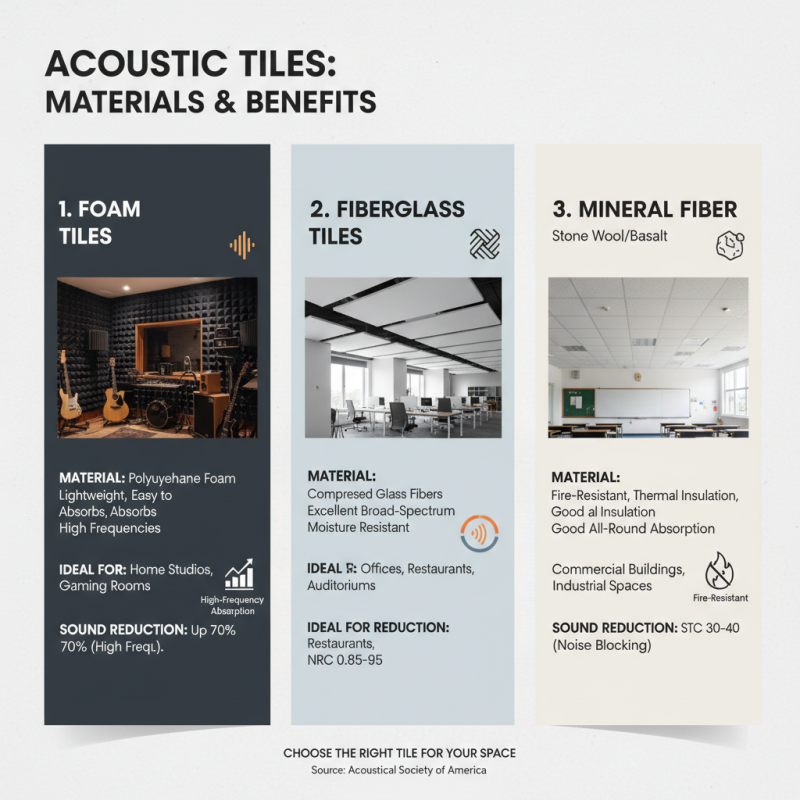
Acoustic tiles come in various types and materials, each offering unique benefits for sound control. Typically, they are made from foam, fiberglass, or mineral fiber. Foam tiles are lightweight and easy to install, making them perfect for home studios. They absorb high frequencies effectively but may not be as efficient in handling low-frequency sounds. A study by the Acoustical Society of America shows that foam can reduce sound reflections by up to 70%.

Fiberglass tiles provide excellent sound absorption and are often used in commercial spaces. They can reduce noise levels significantly, making them ideal for offices or conference rooms. According to the National Institute of Standards and Technology, these tiles can achieve noise reduction coefficients (NRC) of 0.9 or more, meaning they can absorb 90% of sound. However, their rigidity demands careful installation to avoid visible seams.

Mineral fiber tiles, known for durability, are another viable option. They are resistant to moisture and are frequently found in basements or areas prone to humidity. However, their installation might require professional help to ensure optimal performance. Overall, selecting the right acoustic tile relies on unique acoustical needs and aesthetic preferences. It's important to weigh the pros and cons carefully.

Optimal Tile Thickness and Density for Enhanced Sound Control

Choosing the right acoustic tiles involves understanding their thickness and density. Research shows that tile thickness affects sound absorption rates. For instance, a tile thickness of 1 inch can absorb higher frequencies better than thinner options. However, thinner tiles are often more effective at lower frequencies, which can create an imbalance in sound control.

Density also plays a crucial role. High-density tiles provide better soundproofing and overall sound quality. A study from the Acoustic Society indicates that tiles with a density exceeding 5 pounds per cubic foot can reduce noise transmission significantly. In spaces where clarity and sound quality matter, such as recording studios, selecting the proper density becomes essential.

However, achieving the perfect combination of thickness and density can be challenging. Some users may find that thicker tiles make the space feel cramped. Conversely, lighter tiles might not absorb sound effectively. It's important to consider the unique acoustics of your environment. Understanding these nuances can enhance your acoustic treatment strategy, ensuring your space sounds its best.

How to Choose the Best Acoustic Tiles for Your Space? - Optimal Tile Thickness and Density for Enhanced Sound Control

Tile Type Thickness (inches) Density (kg/m³) NRC Rating
Foam Tile 1 80 0.65
Mineral Fiber Tile 0.75 100 0.85
Fiberglass Tile 1.5 150 0.95
Wood Panel Tile 2 600 0.75
Acoustic Ceiling Tile 1 90 0.80

Aesthetic Considerations: Designing with Acoustic Tiles for Style

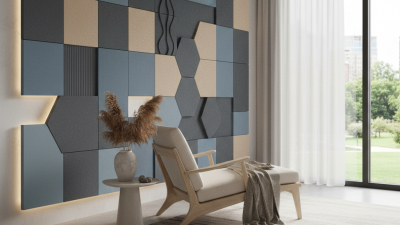
When designing a space with acoustic tiles, aesthetics play a crucial role. These tiles are not just functional; they can also elevate the overall look of a room. Selecting colors and textures that align with your decor can create a harmonious environment. For example, a bold color can serve as an accent, while neutral shades can provide a calming effect.

Tips: Consider how the light interacts with different textures. Matte finishes absorb light, while glossy finishes reflect it. This can dramatically alter the mood of your space. Don't hesitate to mix and match tiles to create a unique pattern. Layering different textures can add depth to your design.

Mind the scale of your tiles as well. Large tiles can make a space feel more open, while smaller tiles can create intricate designs. Balancing these elements will help achieve a cohesive look. Remember, it’s essential to reflect on how sound impacts your space. A well-designed environment is one that feels good acoustically and visually.

Tips: Ask yourself how you want the room to feel. Is it cozy, lively, or serene? Your design should align with those feelings. Experimenting with various arrangements can lead to unexpected results. Embrace the process, and allow for adjustments as you discover what works best for you.