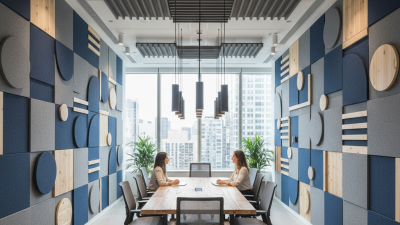

In modern interior design, sound panels for walls have become increasingly popular. These panels offer practical solutions for improving acoustics in homes and workplaces. Effective sound management can enhance productivity and provide a more enjoyable atmosphere. Many people struggle with echoes and noise disturbance, creating a need for better acoustic treatment.
Sound panels for walls come in various materials, colors, and designs, allowing for versatility in any space. They absorb sound waves, reducing unwanted noise and enhancing speech clarity. This feature is particularly beneficial in open office environments or lively living rooms. However, choosing the right type and placement of sound panels requires careful thought and consideration.
While installing sound panels may seem straightforward, it is crucial to assess the unique acoustical needs of your room. Some may find that initial installations do not yield desired results, prompting a need for adjustments. It’s essential to be open to experimenting with different layouts. A thorough understanding of sound dynamics will lead to better outcomes.

Sound panels are a great solution for improving the acoustics in various spaces. When sound waves bounce off hard surfaces, they create echoes and unwanted noise. This can lead to discomfort and reduced focus. By installing sound panels on walls, you can reduce these issues significantly. They absorb sound, creating a quieter environment where conversations can flow easily.
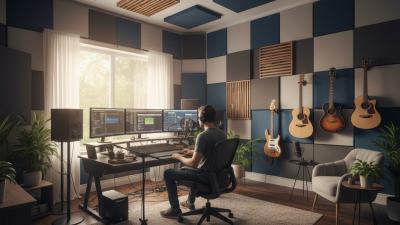
In professional settings, like offices or studios, sound panels can enhance productivity. Employees can concentrate better in quieter areas. In homes, they can improve entertainment experiences, making movies and music sound clearer. It's essential to choose the right materials and configurations to maximize the benefits. Some might struggle with design choices, wondering how they fit into their aesthetic. It's a valid concern, but many options blend seamlessly with interior design.
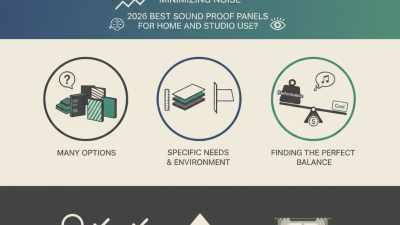
While sound panels offer numerous benefits, they aren’t a one-size-fits-all solution. Some environments may require additional soundproofing measures. Users should assess their specific needs carefully. Understanding room size, purpose, and existing acoustics is crucial. This reflection helps to determine the ideal setup to achieve desired acoustic improvements. The journey to better sound quality can be complex, but it often leads to impressive results.
| Dimension | Description | Benefit |
|---|---|---|
| Material Type | Foam, Fabric, Wood | Variety of aesthetics and performance |
| Thickness | 1 inch to 4 inches | Greater sound absorption with increased thickness |
| Installation | Wall-mounted or freestanding | Flexible options to fit various spaces |
| Acoustic Rating | NRC 0.5 to 1.0 | High noise reduction capabilities |
| Applications | Studios, Offices, Home Theaters | Improved sound quality in important areas |
Sound waves are invisible entities that shape our auditory experiences. They travel quickly, bouncing around spaces and interacting with wall surfaces. When sound waves hit a wall, they can create reflections, echoes, and absorbency challenges. This interaction directly affects the quality of sound we hear. Have you noticed how some rooms feel boomy? That’s often due to hard surfaces that amplify sound waves instead of controlling them.
Understanding this interaction paves the way for better acoustics. Sound panels help manage these tricky waves. They can absorb excess sound, reducing echoes and creating a more pleasant listening environment. While exploring options, consider the materials used in sound panels. Different textures, densities, and designs all play crucial roles in sound absorption. Choosing the right panels is not a one-size-fits-all solution. Each space has unique acoustic challenges that deserve attention.
One common misconception is that thicker materials are always better. In some cases, thinner panels work just as effectively in specific environments. Reflect on the space's purpose and acoustics before making decisions. It’s not simply about aesthetics; it’s about creating a harmonious auditory landscape. Experimenting with placements is key. Sometimes, panels need to be repositioned for optimal results.
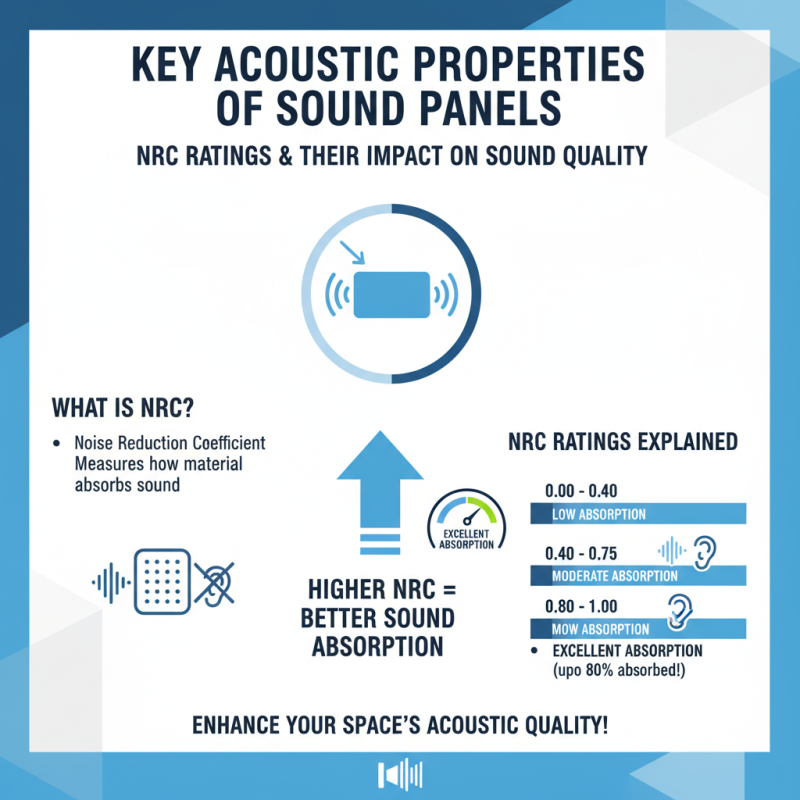
Choosing sound panels for walls can significantly enhance acoustic quality in any space. One of the critical metrics to consider is the Noise Reduction Coefficient (NRC) rating. This rating indicates how effectively a material absorbs sound. Higher NRC ratings mean better sound absorption. Panels with an NRC of 0.80 or above are considered excellent. This means they can absorb up to 80% of sound waves that hit them.
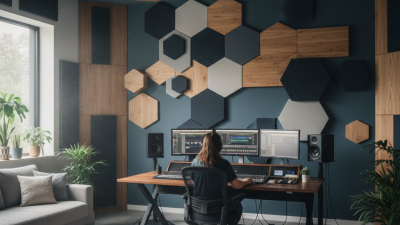
Sound panels come in various materials, including foam, fabric-wrapped, and wood. Each type has different NRC values. For example, foam panels often absorb high-frequency sounds effectively. In contrast, wood panels can add aesthetic value while still controlling sound reflections. It's essential to analyze the specific acoustical needs of your space. Not every panel type suits every environment. You may find that a combination of different panels yields the best results.
However, it's crucial to remember that achieving perfect acoustics can be challenging. Factors such as room size and furnishings also influence sound quality. Even with sound panels, you might still experience echoes or other sound issues. Testing different configurations can help identify what works best in your setting. Understanding these nuances can lead to a more effective solution for your acoustic challenges.
Sound panels play a vital role in both residential and commercial spaces. These panels significantly enhance acoustics by reducing noise and improving sound clarity. In residential settings, they are commonly used in home theaters and music rooms. A 2022 study found that homes equipped with sound panels saw a 30% reduction in echo. This improvement creates a more enjoyable auditory experience.
In commercial environments, sound panels are equally important. Open offices, for example, often suffer from high noise levels, which can hinder productivity. According to a report by the Acoustical Society of America, effective soundproofing can increase employee concentration by up to 45%. Many businesses have started investing in these solutions, leading to more focused work atmospheres.
Despite their benefits, not all installations yield perfect results. Improper placement or insufficient coverage can negate the advantages. Careful planning is essential for maximizing the effectiveness of sound panels. Understanding the specific acoustical challenges of each space is crucial. This ensures that both aesthetics and functionality are achieved.
Selecting the right type of sound panel is crucial for achieving optimal noise reduction. Different environments require different solutions.
For example, a home theater may need thicker panels to absorb deep sounds. In contrast, office spaces often benefit from fabric-wrapped fiberglass panels that reduce mid to high-frequency noise.
Consider the materials used in sound panels. Wood, fabric, and foam each have unique properties.
Wood is attractive but can be less effective in high-frequency sound absorption. Acoustic foam is more versatile and often more affordable. However, it might lack design appeal for some applications.
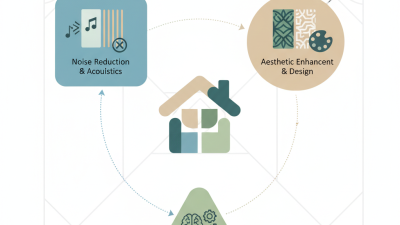
Choosing panels that balance aesthetics and functionality is important.
Installation plays a significant role in effectiveness. Panels must be placed correctly for the best results. This may not be an easy task. It requires careful measurement and sometimes trial and error.
Mistakes can lead to unsatisfactory acoustic performance. Thinking about how sound travels in your space is essential for anyone looking to improve acoustics significantly.