
Please ensure Javascript is enabled for purposes of website accessibility

Best Sound Proof Foam Solutions for Effective Noise Reduction?

In today's bustling world, noise pollution is a growing concern for many. The demand for effective sound proof foam solutions has surged, as people seek tranquility in their environments. Renowned acoustic expert Dr. Emily Harris highlights, "Quality sound proof foam can transform any noisy space into a haven of peace." This quote captures the essence of using sound proof foam to combat auditory distractions.

When selecting sound proof foam, it's essential to consider various factors. The material's density, thickness, and design all play roles in its effectiveness. High-density foam offers superior sound absorption as it minimizes echo and reverberation. However, not every product on the market delivers the promised results.

Many individuals have attempted DIY solutions, but the outcomes can vary widely. Choosing the right sound proof foam solution shouldn't be a casual decision. Investing in legitimate, tested products ensures that noise reduction meets expectations. Whether you're soundproofing a studio, home office, or bedroom, the right foam can offer noticeable improvements in sound quality. It's a choice that demands attention and understanding to achieve the desired peace.
Best Sound Proof Foam Solutions for Effective Noise Reduction?

Types of Soundproof Foam Materials for Noise Reduction

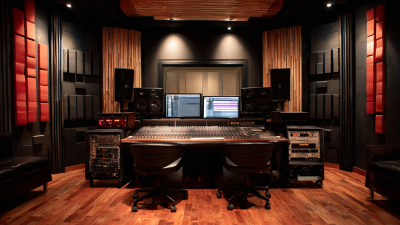
To effectively reduce noise, understanding the types of soundproof foam materials is essential. Acoustic foam, commonly used in recording studios, absorbs sound waves, thereby minimizing echo. A study from the Acoustical Society of America indicates that using good-quality acoustic foam can decrease noise levels by up to 50%. It is designed for frequencies from mid to high, making it suitable for various applications, from home theaters to office spaces.

Another type is bass traps. These are denser materials that target low frequencies. They are particularly useful in rooms where bass sounds dominate. Research shows that adding bass traps can enhance the clarity of sound by effectively managing the low-end frequencies. This can significantly improve the auditory experience, making it critical for music production or any sound-critical environment.

For effective use, consider the foam's thickness and density. Thicker foam provides better sound absorption at lower frequencies. Ensure measurements fit your space to reduce gaps where sound can leak through. It's worth noting that while soundproof foam works well, it won't eliminate all noise completely. Reflections may still occur if not installed properly. Choosing the right type is vital, as foam saturation might require periodic replacement. Always assess your room's acoustics before deciding on a solution.

Best Sound Proof Foam Solutions for Effective Noise Reduction

Factors to Consider When Choosing Soundproof Foam Solutions

When selecting soundproof foam solutions, it's essential to consider several key factors. The density of the foam is crucial. Denser materials typically offer better sound absorption. In rooms with high noise levels, thicker foam can provide a noticeable difference. Texture also plays a role; various designs, such as wedges or pyramids, can enhance effectiveness. Pay attention to the foam's frequency range. Some materials work better for lower frequencies, while others excel at higher frequencies.

Room size should influence your choice as well. For smaller spaces, strategically placed foam can create a buffer against noise. In larger areas, combining different foam types may yield better results. Aesthetics matter too. Foam is available in various colors and finishes, allowing for a blend with interior design. However, not all foam is easy to install, which might require professional assistance.

While many assume that all foam performs the same, this misconception can lead to disappointment. Research and reviews can provide helpful insights. Yet, without expert guidance, making the best choice can be challenging. Always consider the specific environment and sound sources. Reflect on your needs and the limitations of materials. Perfect soundproofing might be unrealistic, but with informed choices, substantial improvement is achievable.

Best Sound Proof Foam Solutions for Effective Noise Reduction

Material Type Density (kg/m3) NRC Rating Thickness (inches) Use Case
Polyurethane Foam 35 0.80 1 Home Studios
Melamine Foam 40 0.95 2 Commercial Spaces
Fiberglass Panels 60 0.98 1.5 Recording Studios
Acoustic Cotton 25 0.85 3 Theater Rooms

Installation Tips for Maximum Sound Absorption Efficiency

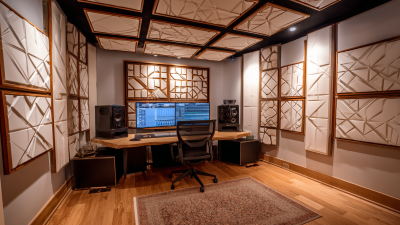
When it comes to soundproofing a room, proper installation of foam panels is crucial. Start by selecting the right type of foam. Acoustic panels come in various densities and thicknesses. Thicker panels generally provide better sound absorption. Measure your space accurately to determine how many panels are needed. Planning the layout in advance will help you avoid costly mistakes.

Before installation, prepare the wall surface. Clean it to ensure a good adhesive bond. If you're using glue, allow it to set correctly for a secure attachment. Use a level to ensure panels are aligned properly. Misalignment can lead to gaps, which reduce sound absorption. Consider using additional materials like bass traps for low-frequency noise.

After installation, test the effectiveness of the soundproofing. Walk around the room and listen for any sound leaks. You may need to adjust or add more panels in certain areas. Reflect on the placement of your furniture as well. Sometimes, a simple rearrangement can enhance sound quality. Experimentation is key in finding the best combination for your space.

Benefits of Soundproof Foam in Residential and Commercial Spaces

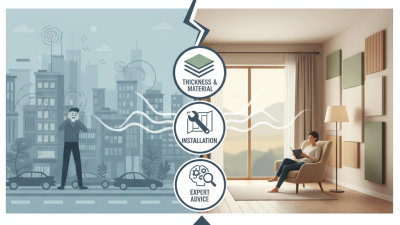
Soundproof foam offers significant advantages in both residential and commercial environments. It serves as an effective barrier against unwanted noise, enhancing the overall quality of life. In homes, installing acoustic panels can drastically reduce sounds from appliances, conversations, and even outside traffic. This leads to a more peaceful living space. In commercial settings, soundproofing can improve productivity by minimizing distractions caused by excessive noise.

The flexibility of soundproof foam allows it to fit various spaces easily. Whether placed in conference rooms, recording studios, or bedrooms, foam panels can absorb sound waves effectively. However, it's not a one-size-fits-all solution. The installation process requires careful planning. Placement and thickness matter. Improper installation can lead to insufficient noise reduction.

Investing in soundproof foam also reflects a commitment to quality. Understanding its limitations is essential. While it significantly dampens noise, it may not eliminate it entirely. Regular assessments of the foam’s effectiveness can help achieve desired outcomes. Incorporating soundproof foam into your space enhances comfort and functionality.

Comparing Cost-Effectiveness of Various Soundproof Foam Options

When it comes to soundproofing, cost-effectiveness is crucial. Various foam options offer different price points and efficiencies. Some foams are incredibly effective in blocking sound. However, their price can be quite high. Others are more affordable but might not provide the same level of noise reduction. It's essential to weigh the benefits against the costs.

Acoustic panels come in many designs. Some are made from high-density polyurethane, while others use melamine foam. Each type has its pros and cons. For instance, cheaper options might not absorb low frequencies well. This may lead to poor sound quality in music studios. Meanwhile, durable foams typically last longer and can offer better overall results.

It's also important to consider installation and maintenance costs. Some panels are straightforward to set up. Others may require professional help. This adds to the overall expense. Homeowners often overlook this factor. Evaluating all these aspects can help in making an informed choice for soundproofing solutions.