
Creating a peaceful environment at home is essential for relaxation. One key aspect many overlook is sound absorption. Sound absorption techniques can effectively reduce noise levels, making your space quieter and more comfortable.
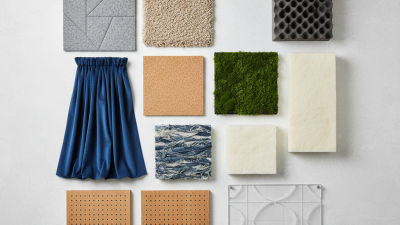
Incorporating sound-absorbing materials is an effective approach. Think of plush rugs or thick curtains; they can dramatically reduce echoes. Even wall-mounted panels made from foam can help. Each technique has its unique charm and can transform your space.
However, choosing the right methods can be challenging. Some homeowners might rely solely on expensive solutions. Yet, simple DIY projects often yield excellent results. Reflect on what fits your style and budget. Experimenting with various options will allow you to discover what truly works for sound absorption in your home.
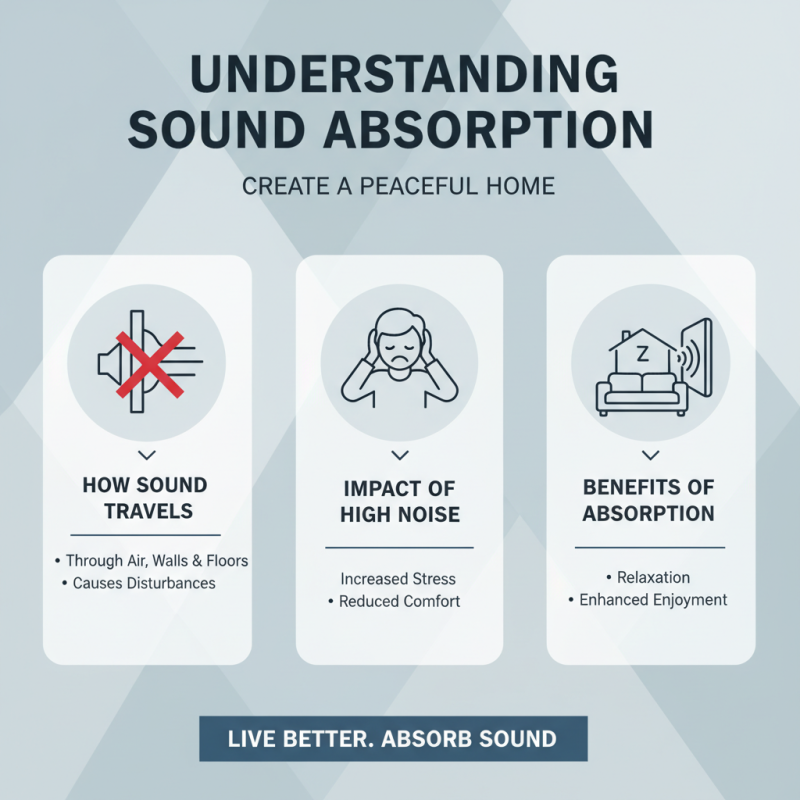
Understanding sound absorption is essential in creating a peaceful home. Sound travels through air, walls, and floors, often causing disturbances. High noise levels can increase stress and reduce comfort. Effective sound absorption helps you relax and enjoy your space better.
One proven method is using soft furnishings. Rugs, curtains, and cushions can absorb sound waves. They add warmth to your room while decreasing echoes. Remember, an empty room is often noisier. A few well-placed items can make a significant difference.
Creating cozy nooks in your home reduces sound reflection. Consider dense bookshelves or acoustic panels. They not only decorate but also serve practical purposes. Every corner matters, even small changes lead to noteworthy results. Reflect on your space. Are there areas needing more attention? You might be surprised by the impact.
When creating a quieter home, effective sound absorption materials are crucial. Soft textiles like carpets and rugs can absorb sound well. They can reduce noise levels by up to 30%. According to a study by the National Institute of Health, these materials help dampen echoes and improve overall acoustics.
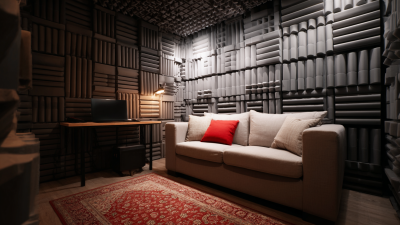
Acoustic panels made from foam are also effective. These can be installed on walls and ceilings to minimize sound reflection. Some studies show they can lower noise levels by 50%. Additionally, thick curtains can block external noise. They act as sound barriers, especially when layered. This method is often simple yet impactful.
However, not all sound absorption techniques work equally in every home. Some materials may perform poorly in high-frequency ranges. Choosing the right fabrics is essential. A poorly designed space will still echo or amplify sounds. Careful consideration of each material's properties is necessary for optimal results. By combining different techniques, you can achieve a quieter living environment.
| Technique | Material Used | Effectiveness Rating (out of 10) | Ideal Locations |
|---|---|---|---|
| Acoustic Panels | Foam or Fabric | 9 | Living Rooms, Home Theaters |
| Carpet Floors | Nylon or Wool | 8 | Bedrooms, Hallways |
| Heavy Drapes | Velvet or Thick Fabric | 7 | Windows, Sliding Doors |
| Soundproof Drywall | Mass Loaded Vinyl | 9 | Home Offices, Studios |
| Partition Walls | Gypsum Board | 8 | Shared Spaces |
| Ceiling Tiles | Acoustic Tiles | 7 | Basements, Offices |
| Bookshelves | Wood | 6 | Living Rooms, Libraries |
| Area Rugs | Cotton or Wool | 7 | Dining Rooms, Living Spaces |
| Acoustic Screens | Fabric Covering | 7 | Offices, Studios |
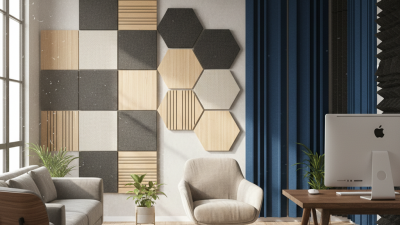
Improving the acoustic quality of your home can significantly enhance your comfort. Wall treatments play a key role in managing sound absorption. Acoustic panels are one effective option. They can be installed in various styles and colors, blending with your decor. Plus, they do well at reducing echoes.
Another great technique involves using heavy curtains and drapes. These can absorb sound and block outside noise. Choose fabrics that are thick and plush for the best results. You can also get creative with bookshelves. Filling them with books not only adds style but also serves as an unexpected sound barrier.
Remember, not every technique will work perfectly for every home. Experiment with the positioning of these treatments. Sometimes, a little inconsistency in placement can lead to improved absorption. Consider mixing materials for a layered approach. Soft and hard surfaces can interplay nicely, giving a balanced acoustic experience. Each choice impacts the overall environment, allowing room for reflection and adjustment.
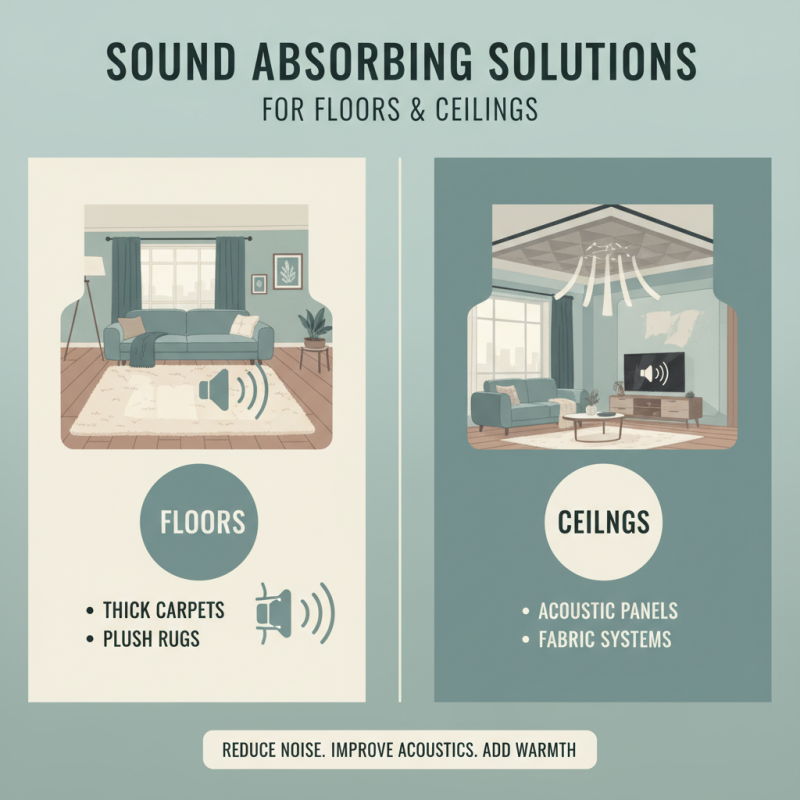
Creating a quieter home can start with sound-absorbing solutions for your floors and ceilings. Soft materials on floors help reduce noise. Consider thick carpets or plush rugs. They can trap sound and improve the overall acoustics of the space. It's visually appealing too, adding warmth to any room.
Ceiling treatments deserve attention as well. Acoustic panels can be a game-changer. Installing them may seem daunting, but they can absorb sound effectively. Also, drop ceilings with soundproof tiles might be an option. These tiles help absorb noise, yet they require some maintenance. The challenge lies in balancing aesthetics and functionality, as some may not blend well with your decor.
Exploring these solutions involves more than just installation. You might discover that some materials work better in specific areas. Experimenting with different textures can bring surprising results. It’s essential to reflect on how each choice impacts the overall atmosphere. Each adjustment can lead to a more peaceful and comfortable living space.
When aiming for a quieter home, incorporating furniture and decor can dramatically enhance sound dampening. According to recent industry studies, soft furnishings like rugs, curtains, and upholstered furniture help absorb sound waves. A study showed that carpets can reduce noise levels by up to 30%. This means that adding a plush area rug not only upgrades your space visually but also combats unwanted echoes.
Choosing the right decor is also key. Wall panels covered in fabric are an excellent option. They can absorb high-frequency sounds effectively. Additionally, strategically placing bookshelves filled with books can improve sound absorption. The complex shapes and dense materials of books break up noise, creating a more tranquil environment. However, many overlook the positioning of these items. Simply having them present is not enough; they need to be arranged thoughtfully.
Investing in sound-absorbing decor doesn't always yield immediate results. Some may find that certain materials do not perform as expected. It's essential to test different combinations. The goal should be to create a harmonious balance that caters to your needs. Making intentional choices can significantly impact the sound quality in your home.
This bar chart illustrates the sound absorption efficiency of various techniques used to reduce noise levels in a home environment. Implementing these strategies can greatly enhance your living space's comfort and tranquility.